
Women danim jacket
$249.00

Red formal dress
$129.00

Man winter blazer
$149.00$99.00
Subtotal$477

 Wholesale Sarees
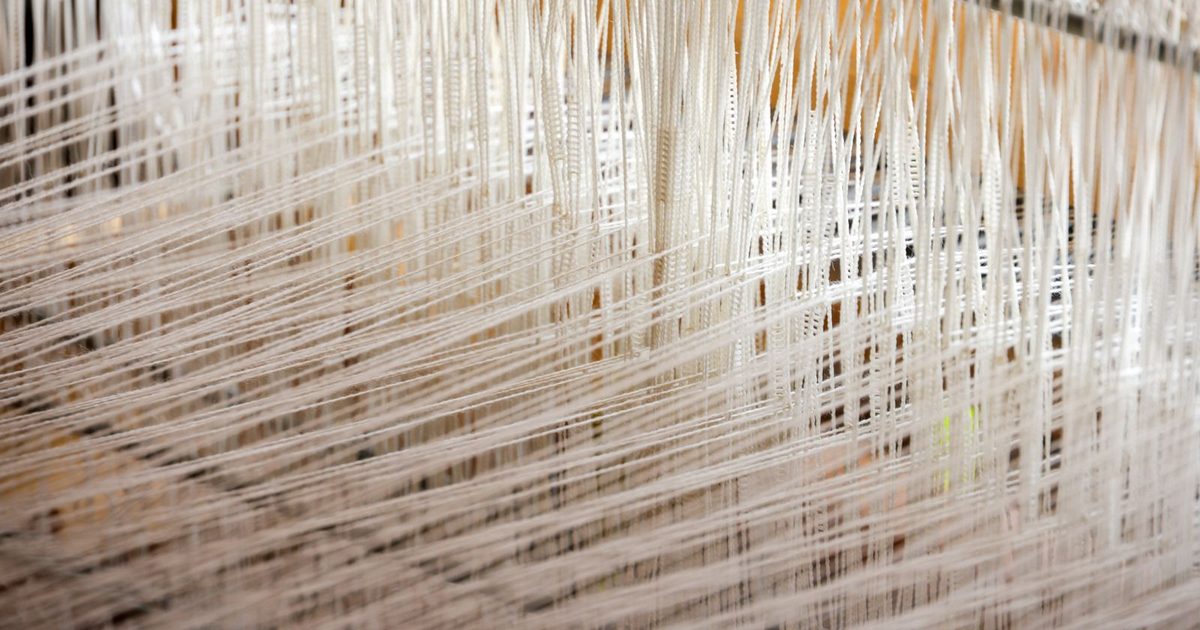
Buyers often ask whether they are dealing with a manufacturer, and the answer is usually more complicated than yes or no. The Indian saree trade runs on several distinct production models, and most businesses sit across two or three of them. Understanding which model is behind a quotation explains the price, the lead time, the minimum quantity and how much control you actually have over quality. This guide sets out how wholesale saree manufacturers in India are structured and what each model means for a buyer.
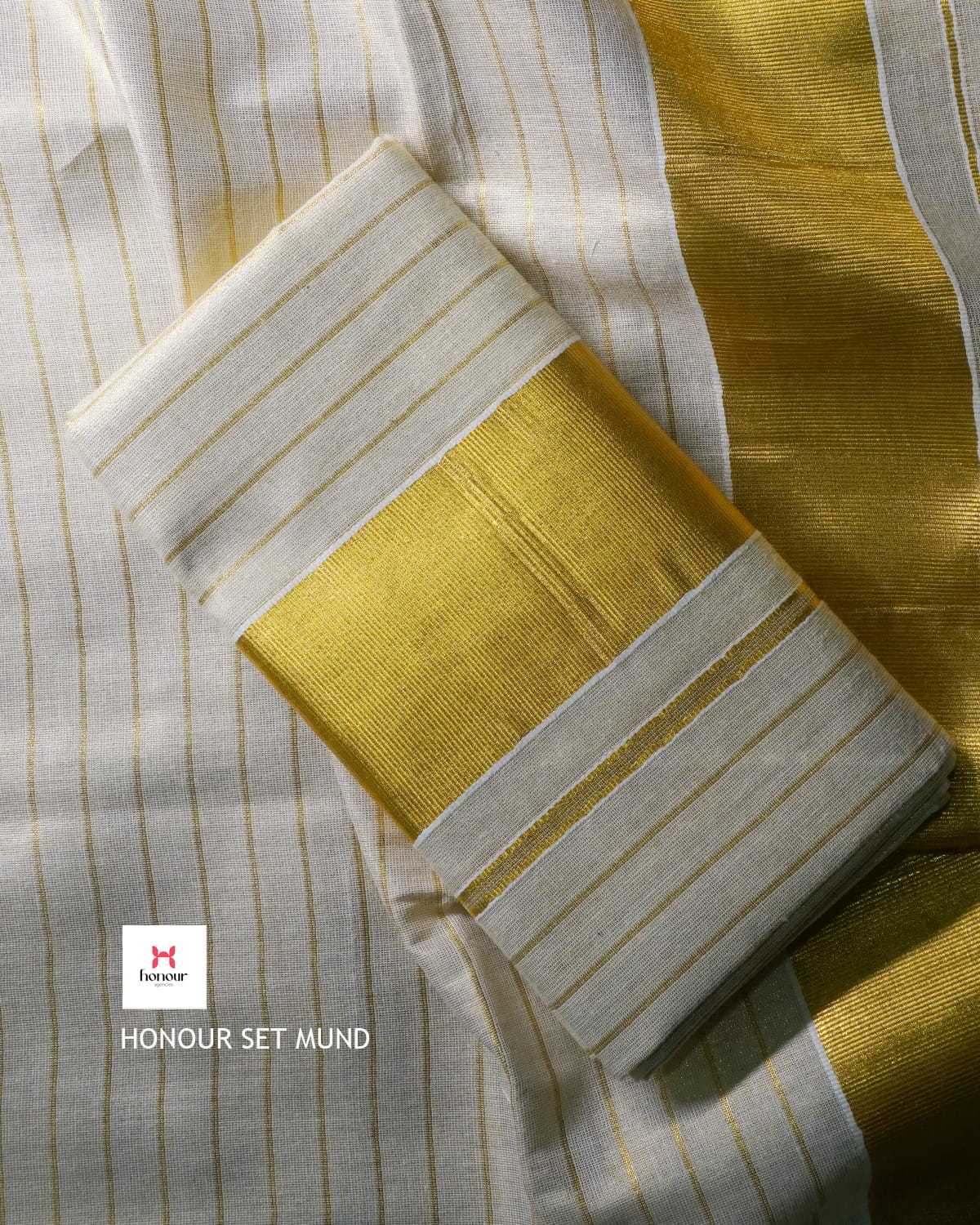
Handloom weaving is done on manually operated looms, usually by weavers working at home or in small clusters, and it is the model behind most traditional Kerala, Kanchipuram and Banarasi production. Output per loom is low and each piece takes real time.
The commercial characteristics follow from that. Minimum quantities are small, exclusivity is achievable, and slight variation between pieces is inherent rather than a fault. Lead times are long, and they lengthen sharply when a cluster is busy before festival seasons.
Handloom carries a genuine premium and a genuine story, and it is supported by government recognition through the office of the Development Commissioner for Handlooms. For retailers selling on heritage and authenticity, this is the model that supports the claim.
Pricing in handloom also behaves differently. A large order does not reduce the unit cost much, because the labour content per piece is fixed and cannot be compressed the way machine time can. Buyers who expect volume discounts on handloom are usually disappointed, and pushing hard on price tends to reduce quality rather than margin.
The risks are variation and capacity. A design cannot be scaled quickly, a specific weaver's work cannot be guaranteed to repeat exactly, and quality depends on individual skill rather than machine consistency. Inspect piece by piece rather than sampling.
Powerloom units run mechanised looms at far higher speed, and mill production adds integrated spinning, weaving, dyeing and finishing under one roof. This is where the volume of the Indian saree and fabric trade actually comes from.
Consistency is the advantage. A power loom produces cloth that repeats reliably, which matters enormously for uniforms, institutional supply and any retailer who needs to reorder the same product.
Minimum quantities rise accordingly. Setting up a loom for a specific design carries a cost that only makes sense across a reasonable run, so bespoke designs need volume while stock designs can be supplied in almost any quantity.
Design ownership is worth clarifying at the outset. A unit that develops a design for you may or may not treat it as exclusive, and many will sell the same construction to other buyers once the run is complete. If exclusivity matters, it needs to be agreed explicitly and usually paid for, because the default assumption in the trade runs the other way.
Lead times are shorter and more predictable than handloom, though they still stretch before festival peaks when units run at capacity. Quality is a function of the unit's own standards rather than individual skill, which makes supplier selection more important than piece inspection.
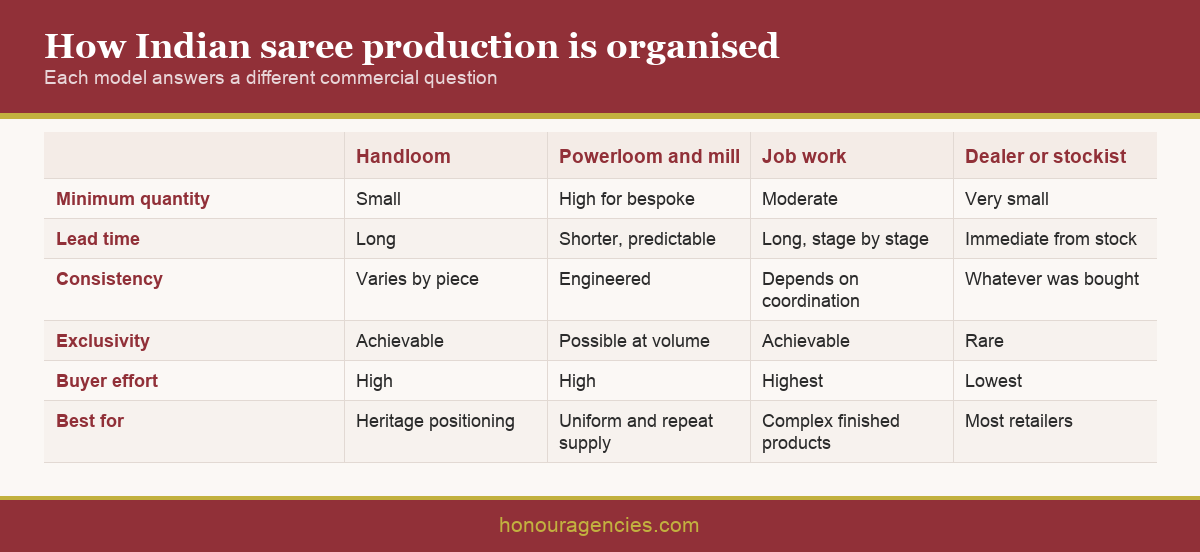
A large part of the trade runs on job work, where a coordinating business owns the design and the yarn or greige cloth and contracts out weaving, dyeing, printing and finishing to specialist units. The coordinator is a manufacturer in commercial terms without owning a loom.
This model is more flexible than it sounds. A coordinator can combine a mill woven base with a specialist print house and a separate embroidery unit, producing a finished saree that no single facility could have made alone.
For buyers it means the specification conversation matters more, not less. Because several parties touch the goods, the quality standard has to be written down and checked at delivery rather than assumed from a factory visit.
Traceability is the weak point of this model. When several units touch the goods, a fault can be genuinely difficult to attribute, and the coordinator may not know which stage caused it. Recording lot references at delivery is the only practical way for a buyer to build a picture over time.
It also explains why lead times can be long even for straightforward products. Each stage queues separately, so a delay at the dyeing stage moves everything downstream. Ask for the stage by stage timeline rather than a single delivery date. Our guide to auditing a supplier's factory covers the questions worth asking about a supply chain.
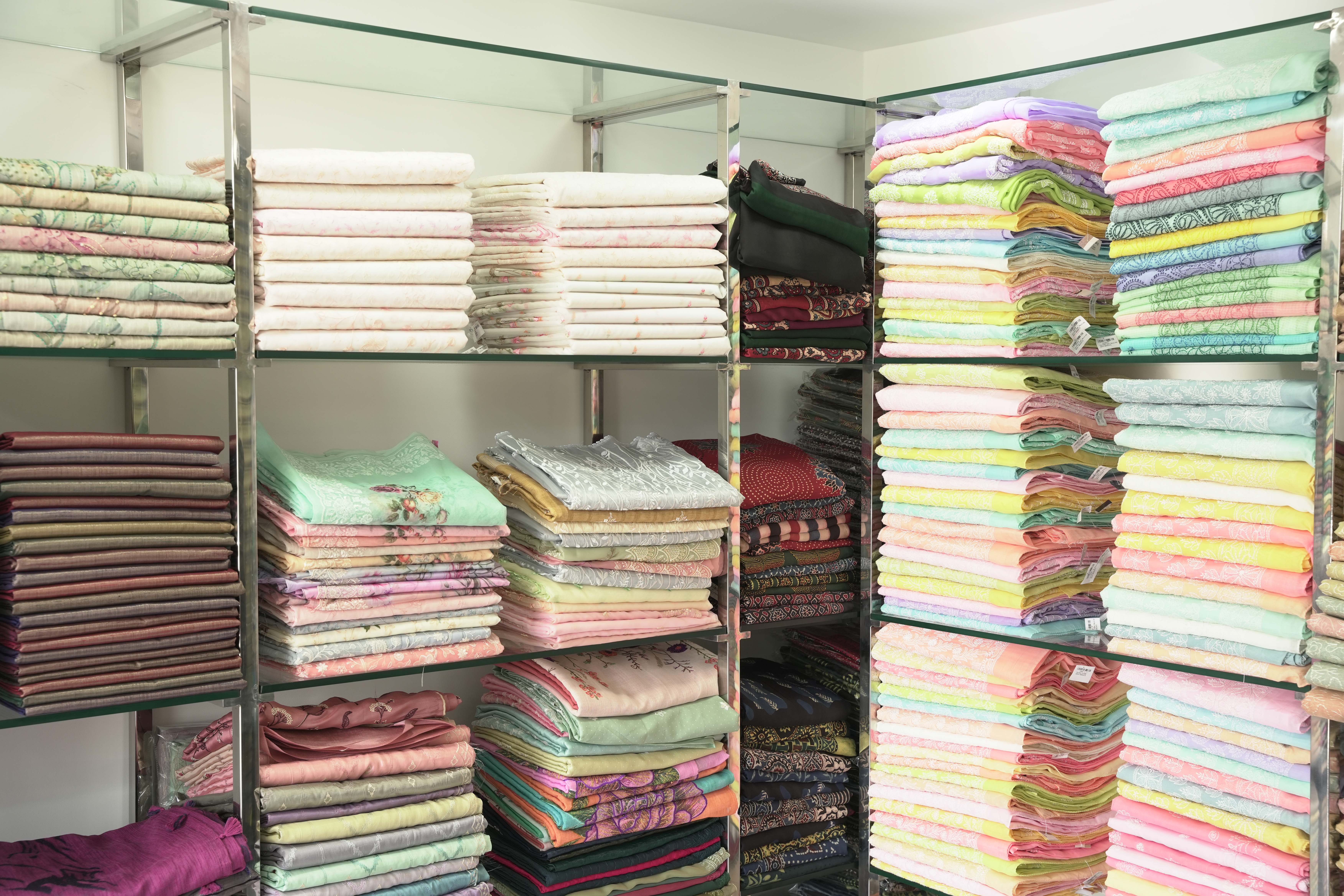
The fourth model holds finished goods rather than producing them. A trader or wholesale dealer buys across multiple manufacturers, holds stock in depth and supplies retailers in the quantities they actually need.
The advantages are immediate. Stock is available now, quantities can be small, range is broad because the dealer buys across many sources, and a retailer can compare products from several manufacturers in one visit rather than travelling between units.
Dealers also carry the risk that a retailer would otherwise carry. Stock sitting unsold is the dealer's problem rather than yours, which is precisely what allows a small retailer to offer a wide range without financing it. That service has a cost built into the price, and it is usually good value.
The trade off is control. A dealer cannot usually change a specification, and exclusivity is rare because the same goods are available to other retailers. What you gain in flexibility you give up in differentiation.
For most retailers this is the practical model, particularly for anyone below the minimum quantities a manufacturer requires. An established wholesale dealer also carries the working knowledge of which manufacturers are reliable, which is worth a great deal on its own. Our comparison of online platforms and direct dealers covers the channel decision in more detail.
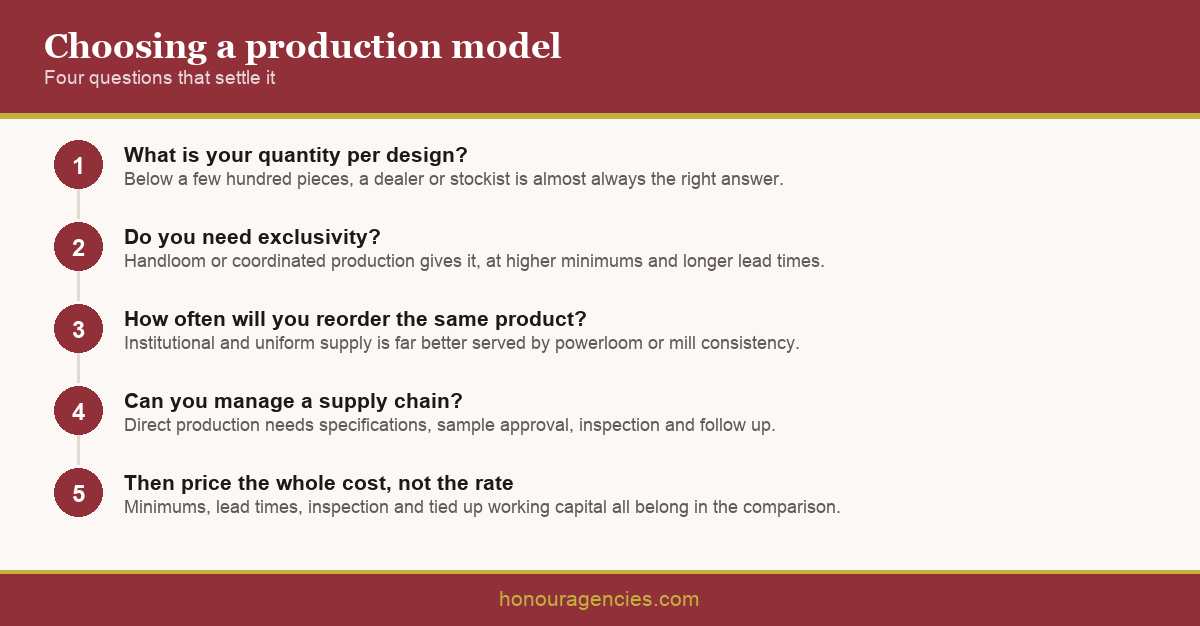
Start with quantity, because it eliminates most of the options immediately. If your requirement per design sits below a few hundred pieces, a dealer or stockist is almost certainly the right answer regardless of how appealing direct manufacturing sounds.
Then consider exclusivity. If your positioning depends on carrying something competitors cannot, handloom or coordinated production gives you that, at the cost of higher minimums and longer lead times.
Weigh reorder needs carefully. Businesses that must repeat the same product, such as institutional uniform suppliers, are far better served by powerloom or mill production where consistency is engineered rather than hoped for.
Be realistic about your own capacity to manage a supply chain, because the work does not disappear simply because the price looks better. Direct manufacturing requires specification writing, sample approval, inspection and follow up, and a retailer without the time for that will get a worse result than the same retailer buying from a good dealer.
Wholesale saree manufacturers in India operate through handloom clusters, powerloom and mill units, coordinated job work networks and stock holding dealers, and each model answers a different commercial question. Match the model to your quantity, your need for exclusivity, your reorder pattern and your capacity to manage the process. Most retailers are best served by a good dealer, and the ones who genuinely need direct production usually know why. Honour Agencies has supplied wholesale sarees from Ernakulam for 35 years. To discuss a requirement, contact our team.
Q: What does manufacturer mean in the saree trade? A: It covers several models, from weaving units and integrated mills to coordinators who own the design and contract out production. The same word describes very different businesses with different capabilities.
Q: What is job work production? A: A coordinating business owns the design and materials and contracts weaving, dyeing, printing and finishing to specialist units. The coordinator is a manufacturer commercially without owning any looms.
Q: Which model suits small retailers best? A: A stock holding dealer, in almost every case. Stock is available immediately, quantities can be small, and the range is broad because a dealer buys across many manufacturers.
Q: When is handloom production the right choice? A: When exclusivity and heritage matter to your positioning and you can accept long lead times and natural variation between pieces. Handloom cannot be scaled quickly or repeated exactly.
Q: Why do powerloom units have higher minimums? A: Setting up a loom for a specific design carries a fixed cost that only makes sense across a reasonable run. Stock designs can usually be supplied in small quantities, but bespoke ones need volume.
Q: Why are job work lead times so long? A: Each production stage queues separately at a different unit, so a delay in dyeing moves everything downstream. Ask for a stage by stage timeline rather than accepting a single delivery date.
Q: Can I get exclusivity from a dealer? A: Rarely, because the same goods are available to other retailers. Exclusivity generally requires handloom or coordinated production, which means higher minimums and a longer lead time.
Q: Which model gives the most consistent product? A: Powerloom and mill production, where consistency is engineered into the process. This matters most for institutional uniform supply and any business that must reorder the same product repeatedly.
Q: Does buying direct from a manufacturer always cost less? A: Not once you account for minimum quantities, longer lead times, inspection and the working capital tied up in stock. For many retailers a dealer is cheaper in practice.
Q: How do I check which model a supplier actually uses? A: Ask directly what they own and what they contract out. Our supplier selection guide covers the questions that reveal the real structure.


Or login with