
Women danim jacket
$249.00

Red formal dress
$129.00

Man winter blazer
$149.00$99.00
Subtotal$477

 General
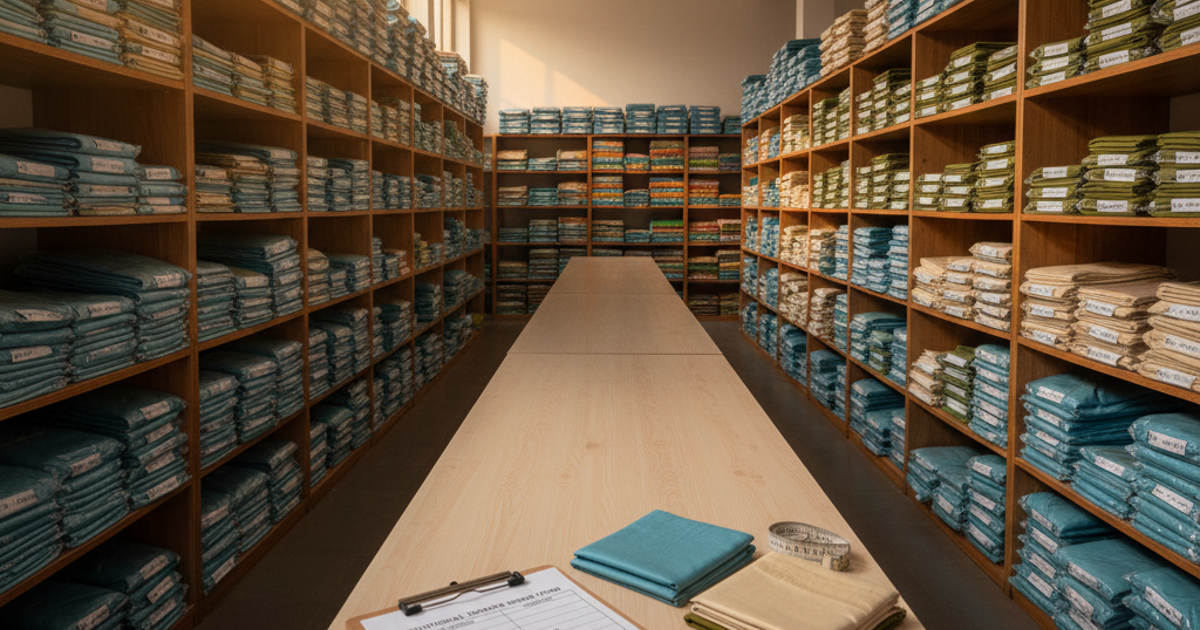
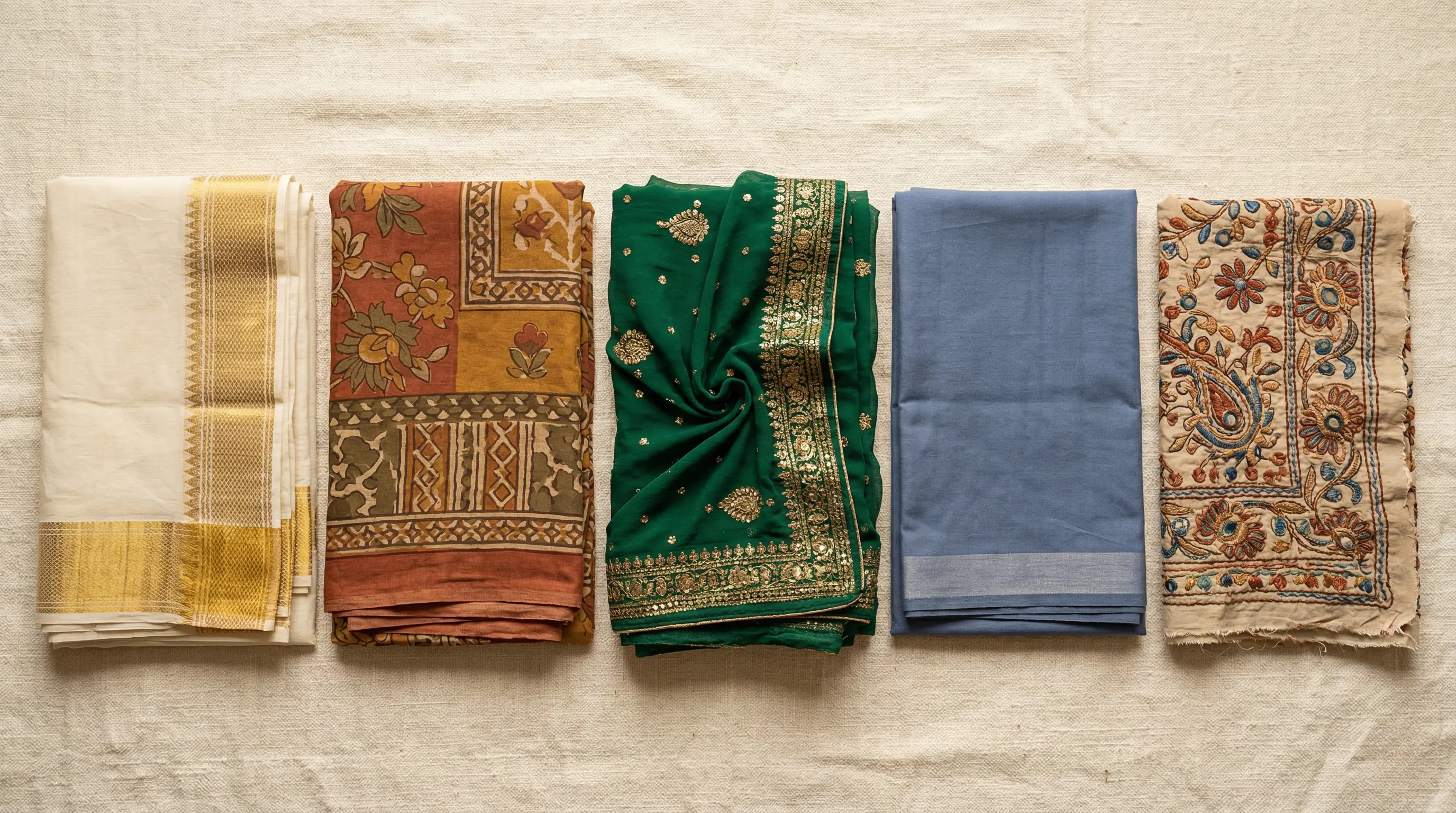
Managing a uniform saree collection at scale requires more than just good fabric. Institutions such as schools, hospitals, banks, and government offices depend on reliable supply chains to fulfill their bulk uniform needs on time and within budget. Working with experienced uniform sarees wholesale dealers makes this process far more efficient. This blog explores how bulk orders are handled, what institutions should look for in wholesale saree suppliers in India, and how a well-organized supply chain reduces delays and inconsistencies.
Institutions rarely buy sarees one piece at a time. A hospital may need hundreds of sarees in a single shade across multiple departments. A school may require consistent fabric quality across dozens of staff members. This is why working with wholesale saree dealers is not just convenient, it is essential. Wholesale dealers maintain large fabric stocks, offer standardized quality, and can fulfill repeat orders without variation in color or weave.
Retail stores cannot match the volume, pricing, or consistency that a seasoned wholesale supplier provides. According to India Brand Equity Foundation, the Indian textile industry is one of the largest contributors to the country's economy, and wholesale distribution plays a central role in keeping institutional supply chains running. When a hospital places an order for 500 sarees, the dealer must ensure every piece meets the same specification, from thread count to border design.
For institutions exploring how to build a more organized procurement approach, understanding the top benefits of uniform sarees in the workplace can help justify the investment in bulk ordering from verified wholesale partners.
Efficient bulk order management begins long before the sarees are packed and shipped. Institutions typically start with a requirement brief that includes fabric type, color code, quantity, and delivery timeline. Experienced uniform sarees wholesale dealers then match these requirements against available stock or plan custom production runs accordingly.
The planning process usually involves several stages. First, the institution shares its specifications. Second, the supplier samples a few units for approval. Third, bulk production or sourcing begins. Fourth, quality checks are completed before dispatch. This structured flow minimizes errors and ensures that the final delivery aligns with the institution's expectations. Many wholesale saree suppliers in India have dedicated institutional sales teams who manage these steps with precision.
Institutions that understand this process are better equipped to plan their procurement calendar. Reviewing resources like what retailers should check before choosing a wholesale saree supplier can help procurement teams set the right expectations from the start.
One of the biggest pain points for institutions ordering uniform sarees is fabric inconsistency across batches. If the first delivery has a slightly different shade or texture than the second, it creates a visible mismatch among staff. This inconsistency often happens when buyers source from multiple vendors or when a supplier lacks proper quality control processes.
Reputable wholesale saree dealers address this by sourcing fabric from consistent mill suppliers and maintaining production records for each institutional account. They track dye lot numbers, thread specifications, and weave patterns to ensure that repeat orders match the original. This level of traceability is a hallmark of professional wholesale operations and is something institutions must specifically ask about before committing to a supplier.
Fabric blends also matter. Cotton sarees are breathable and durable for daily institutional wear. For those looking at cotton-based options for their uniform saree collection, understanding fabric sourcing is key. A reliable textile partner like Honour Agencies cotton sarees wholesale focuses on both comfort and style, which is exactly what institutions need from a long-term supplier.
One of the most compelling reasons institutions work with uniform sarees wholesale dealers is the pricing advantage that comes with volume. Wholesale pricing is tiered, meaning the more units ordered, the lower the per-unit cost. For large institutions placing recurring orders, these savings add up significantly over time.
Beyond direct discounts, wholesale suppliers often offer value-added services such as pre-stitched blouse pieces, customized border embroidery, and branded labels at no extra charge for high-volume accounts. These additions make the uniform more polished without increasing per-unit cost. Institutions that negotiate long-term contracts with wholesale saree suppliers in India often lock in prices for a set period, protecting them from market fluctuations in textile costs.
It is also worth exploring how bulk sarees online shopping benefits retailers and institutional buyers alike. Online wholesale platforms allow procurement managers to place orders, track shipments, and reorder with minimal administrative friction. This digital convenience is becoming a standard expectation among institutional buyers across India.
Institutions often require uniform sarees at specific times of the year, such as at the start of a new academic year, before a festive season, or ahead of a hospital reaccreditation visit. These deadlines put pressure on the supply chain and require advance planning from both the buyer and the supplier.
Professional wholesale saree dealers plan their inventory cycles around predictable institutional demand. They stock up on popular uniform shades ahead of peak seasons and offer priority dispatch for institutional clients with standing orders. Communication is a critical factor here. Regular updates on production status, dispatch timelines, and quality hold situations prevent last-minute surprises for the buyer.
Institutions can also reduce supply chain risk by maintaining a small buffer stock in-house. Ordering slightly more than the immediate requirement ensures that new joiners or replacements can be outfitted without waiting for the next bulk delivery. This is especially important for hospitals and banks where uniform standards must be upheld consistently at all times.
A well-managed uniform saree collection supply chain is built on clear communication, consistent fabric quality, reliable wholesale partners, and smart procurement planning. Institutions that work with experienced uniform sarees wholesale dealers benefit from volume pricing, traceability, and the assurance of consistent quality across every batch. Choosing the right wholesale saree suppliers in India is not just a purchasing decision; it is a strategic investment in operational consistency. If your institution is looking to streamline its uniform saree procurement, Honour Agencies brings over 35 years of wholesale textile experience to help you manage bulk orders with confidence. Explore the guide to choosing the perfect uniform saree design for your institution and take the first step toward a more efficient supply chain.

Or login with