
Women danim jacket
$249.00

Red formal dress
$129.00

Man winter blazer
$149.00$99.00
Subtotal$477
 General
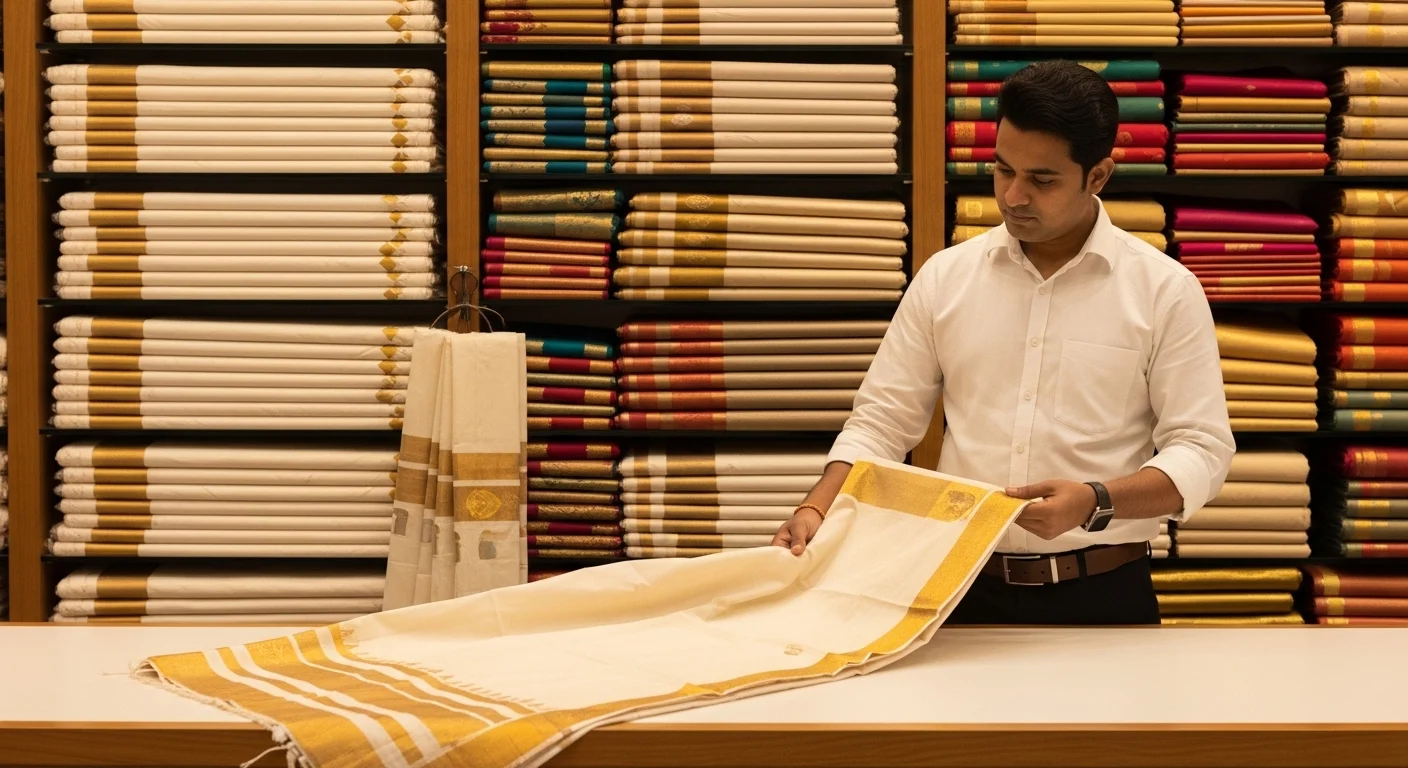
Choosing the right inventory is one of the most important decisions a retail store owner can make. The wholesale saree market in Kerala continues to grow, driven by strong demand from traditional buyers, institutional clients, and festive occasion shoppers. In 2026, retailers who stock the right categories consistently outperform those who rely on guesswork. This blog covers the top wholesale saree categories your store needs this year, from Kerala kasavu collections to high-volume uniform sarees. Read on and build a smarter, more profitable inventory with help from experienced Kerala saree wholesale dealers.
Kerala kasavu sarees, fancy sarees, and uniform sarees are among the highest-demand wholesale categories in 2026.
Running fabrics and blouse materials are growing add-on segments that increase average transaction value per customer visit.
Sourcing from established wholesale saree dealers in Kerala provides better pricing, reliable quality, and a dependable supply chain.
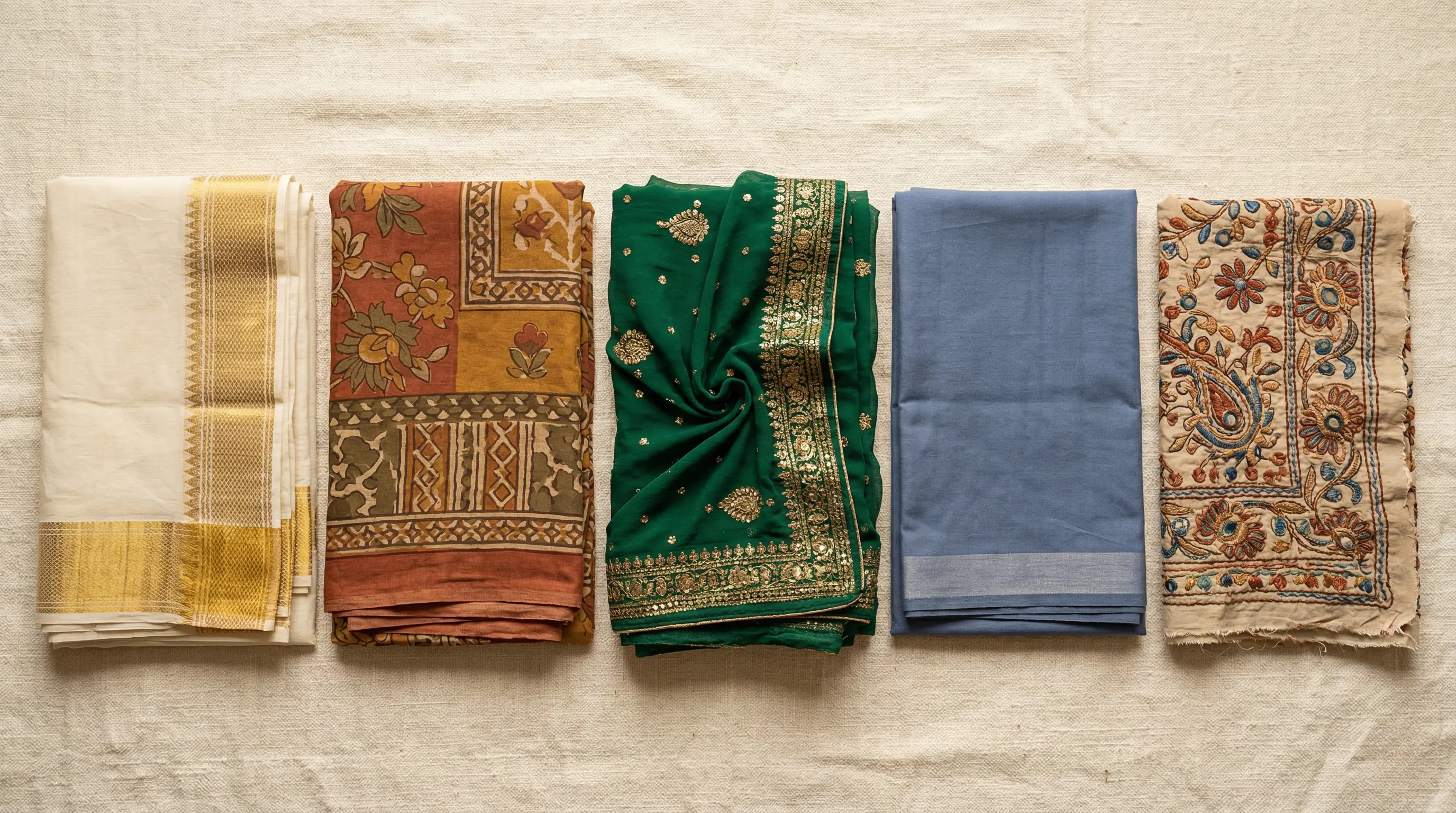
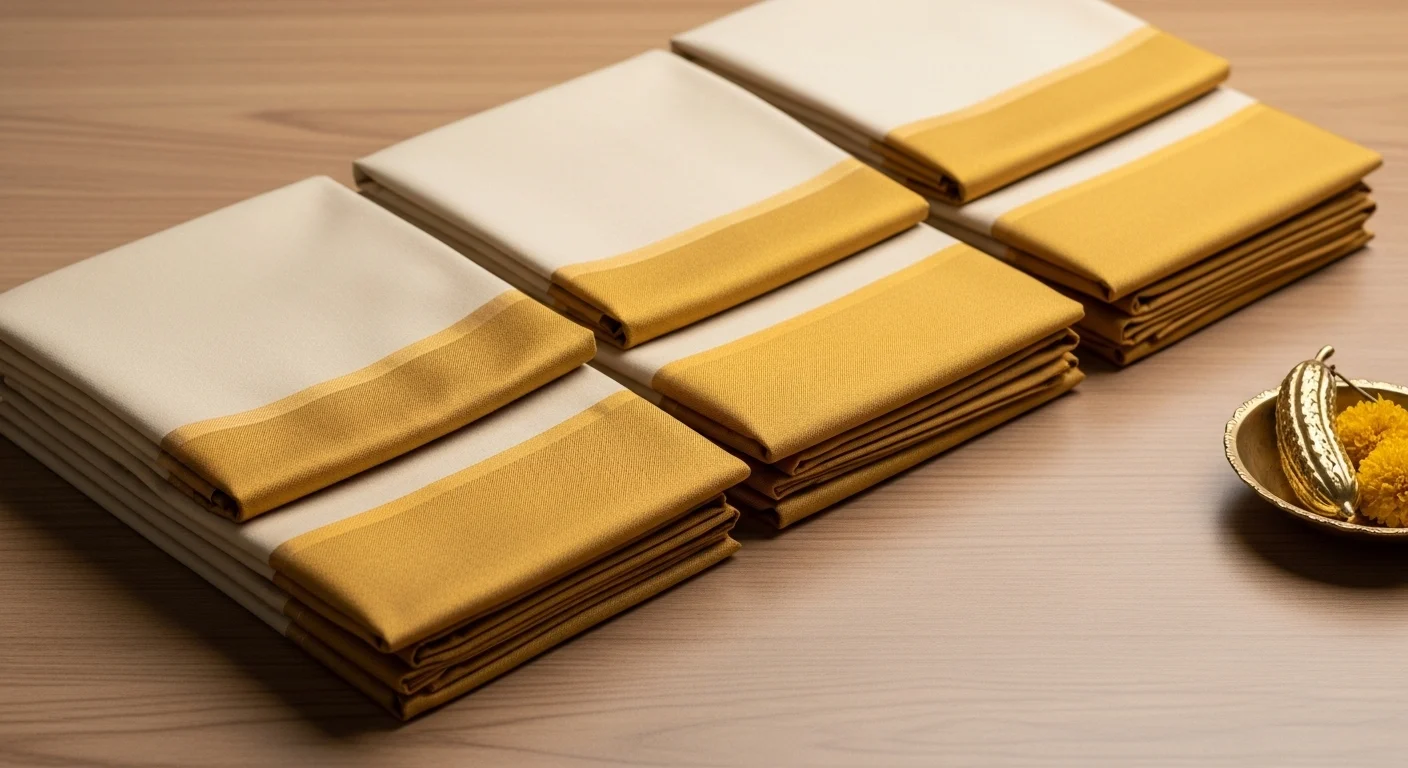
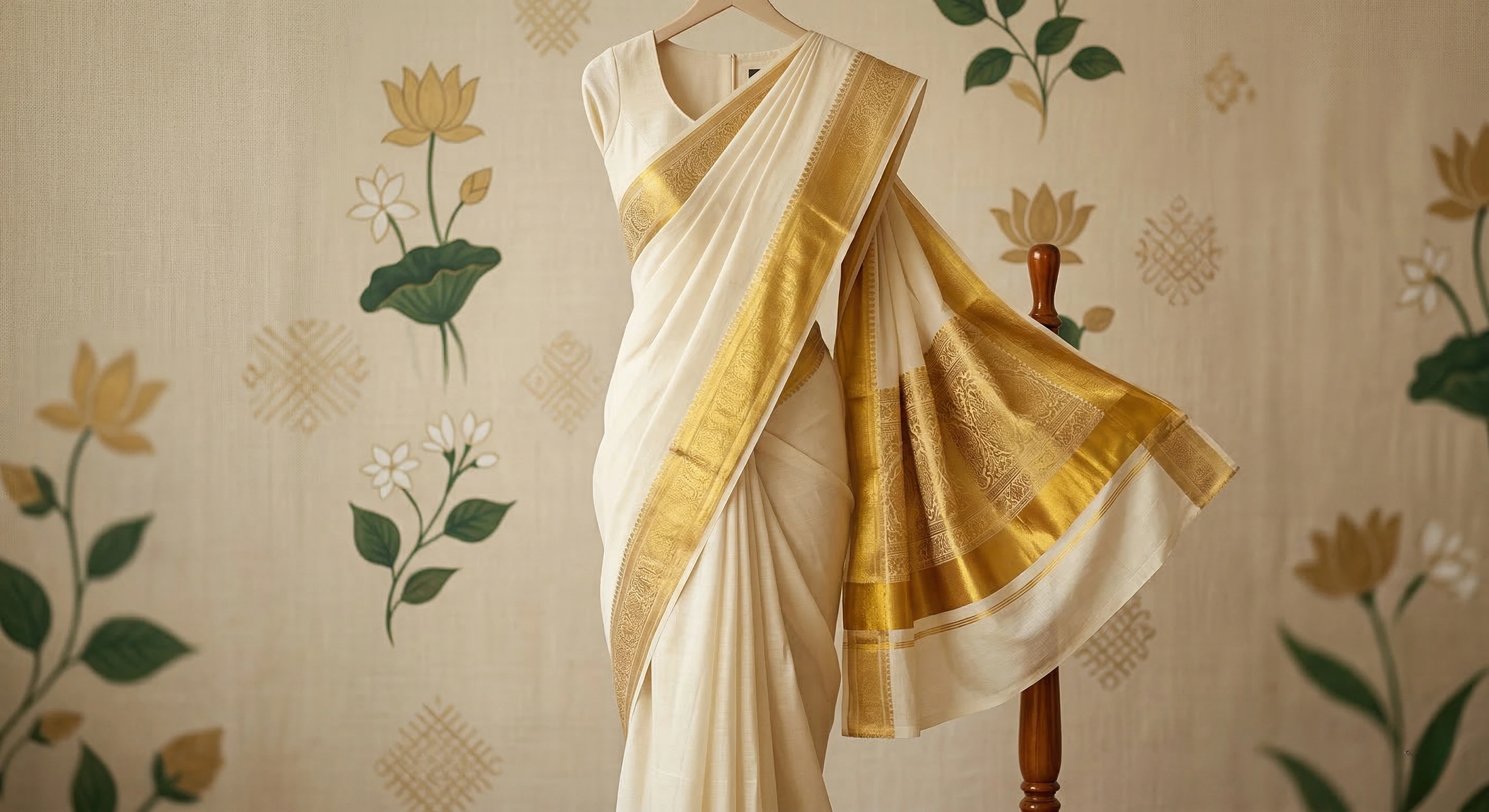
Kerala kasavu sarees and set mundu represent deep cultural identity for South Indian buyers. They attract consistent demand across all seasons, with peaks during Onam, Vishu, and the wedding calendar. Their enduring appeal across age groups and occasions makes them one of the safest and most rewarding categories any retail store can carry.
The cream cotton base with the golden kasavu border is one of the most recognized textile signatures in India. Kasavu sarees sell for festivals, weddings, temple occasions, and gifting. Set mundu, the paired traditional drape, complements these sarees and moves quickly during festive months.
These categories carry low inventory risk because demand is predictable. Sales peak between April and August for Onam and Vishu, and again from November to January during the wedding season. Retailers who understand the wholesale saree market in Kerala plan their kasavu orders to align with these seasonal cycles well in advance.
Kasavu sarees also attract institutional demand. Schools and cultural organizations purchase them for performances and annual events. Stocking lighter cotton varieties for summer alongside heavier silk and cotton blends for festive occasions gives your store the flexibility to serve every type of buyer throughout the year.
Cotton sarees are the volume-driving core of the saree retail business. They appeal to the broadest customer segment, support daily wear and seasonal events, and move consistently across all months of the year. Their accessible price points and wide design variety make them a dependable category for retail stores of every size.
Cotton sarees sell throughout the year across all customer groups. In Kerala, the warm and humid climate means that lightweight, breathable cotton varieties are the preferred choice for daily wear. Retailers can stock cotton sarees in solid shades, traditional prints, and modern designs to serve a broad and varied buyer base.
Sourcing through cotton sarees wholesale channels gives retailers access to fresh designs at the start of each season. Cotton print trends shift quickly, and a supplier who regularly updates their collection provides your store a clear competitive edge. Specialty varieties like cotton kotta blends, summer cotton, and Kalamkari printed cotton appeal to buyers who want both cultural aesthetics and everyday comfort.
Sub-categories to stock in your cotton saree inventory:
Summer cotton prints in contemporary and traditional patterns
Cotton kotta blends for festive and semi-formal occasions
Kalamkari designs for cultural and artisan-focused buyers
Solid-color cotton sarees for uniform use and institutional orders
Fancy sarees deliver the highest per-unit margins in the saree retail segment. Georgette, silk, organza, and brocade varieties are in strong demand for weddings, receptions, and festive events. Retailers who carry a carefully planned fancy saree range attract high-spending customers and benefit from larger individual purchase values compared to everyday categories.
A customer shopping for a wedding typically purchases sarees for herself and for other family members. This buying pattern lifts average transaction value significantly. Stocking fancy sarees across different price bands allows your store to serve both value-focused shoppers and buyers seeking premium pieces.
Georgette sarees with foil prints and embroidery are trending strongly for 2026. Brocade blends and tissue sarees are gaining popularity for wedding guest wear. India's textile and apparel industry is one of the largest in the world, with occasion-wear driving a significant share of consumer spending, according to the India Brand Equity Foundation. This makes the fancy saree segment a strong long-term investment for retail stores across Kerala.
Planning your fancy saree inventory three to four months before the wedding season prevents supply shortages and allows stronger negotiation on bulk pricing with wholesale saree suppliers in India.
Uniform sarees are a dependable bulk-order category that connects retail stores directly with institutional clients. Schools, hospitals, service organizations, and government offices purchase uniform sarees in large quantities every year. A single institutional order can move a significant share of a retailer's quarterly inventory, making this category a strategic priority.
The repeat-purchase cycle for uniform sarees is consistent. Institutions reorder every academic year, every financial year, or as their staff strength grows. Stocking a complete range of uniform sarees that covers regular, professional, and function wear options positions your store to fulfill orders from a wide variety of institutional buyers without delays.
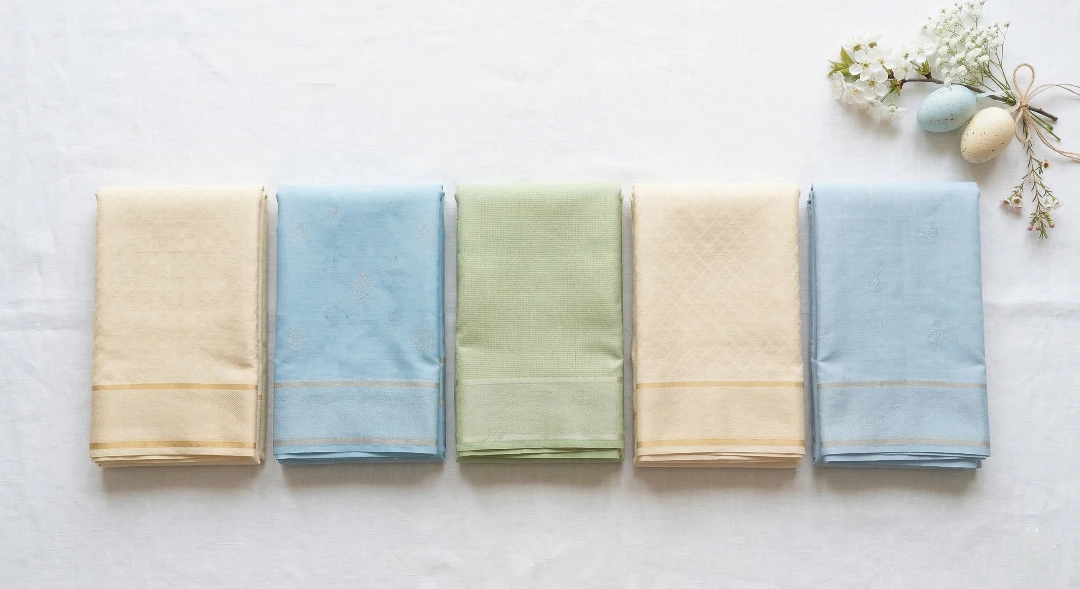
Cotton and polyester blends in standard colors like cream, blue, green, peach, and maroon are the most commonly requested fabric and color combinations. Partnering with experienced uniform sarees wholesale dealers enables retailers to source at competitive prices and pass the savings to their institutional clients. This pricing advantage builds lasting supplier relationships that generate repeat business year after year.
Common institutional buyers for uniform sarees:
Schools and colleges purchasing sarees for teaching and administrative staff
Hospitals and clinics for nursing and front-desk teams
Hotels and resorts for housekeeping and reception staff
Banks and financial institutions for staff in customer-facing roles
Government offices requiring standardized staff attire
Running fabrics and blouse materials are high-value add-on categories that increase total transaction size per customer visit. They attract tailors, boutique owners, and home sewers who want custom garments and unique fabric combinations. Stocking these categories alongside sarees transforms your store into a complete textile destination and reduces dependence on a single product line.
Many retail stores focus exclusively on finished sarees and miss out on a growing buyer segment for raw fabrics. Customers who prefer custom stitching over readymade garments actively seek stores that carry both sarees and complementary fabric options. Stocking blouse materials and running fabrics gives customers more reasons to visit your store and increases the number of items purchased per visit.
Blouse materials are especially strong performers. A customer buying a silk or fancy saree almost always needs matching blouse fabric. Offering silk blouse fabrics, cotton blouse options, brocade, and colour tissue varieties allows your store to capture this additional purchase within the same transaction.
Running fabrics include Hakoba, chanderi, dyeable fabrics, and printed cottons. These appeal to tailors and garment makers who source fabric by the yard for suits and salwar materials. Explore Honour Agencies' running fabrics collection for premium options suited to both retail and bulk buyers.
Stocking the right saree categories is the foundation of a profitable retail business in 2026. The wholesale saree market in Kerala continues to grow across traditional, institutional, and premium occasion-wear segments. Kerala kasavu sarees, cotton collections, fancy sarees, uniform sarees, and running fabrics together create a well-rounded inventory that serves every type of buyer throughout the year. Retailers who source from experienced wholesale saree suppliers in India gain consistent access to quality, variety, and competitive pricing. Honour Agencies has supported retail stores across Kerala and India for over 35 years. Contact us today to explore our wholesale collections and build the right inventory for your store.

Or login with