
Women danim jacket
$249.00

Red formal dress
$129.00

Man winter blazer
$149.00$99.00
Subtotal$477

 General
Crepe has quietly become the default institutional uniform fabric across much of India, and the reason is practical rather than aesthetic. Its crimped yarn structure gives a textured surface that hides minor creasing and a drape that stays controlled through a long day. For any role where staff are observed at close range for hours, that combination is worth more than a smoother, prettier cloth. This guide explains what crepe uniform sarees actually do well, where they fall short, and how to buy them so the result is repeatable.
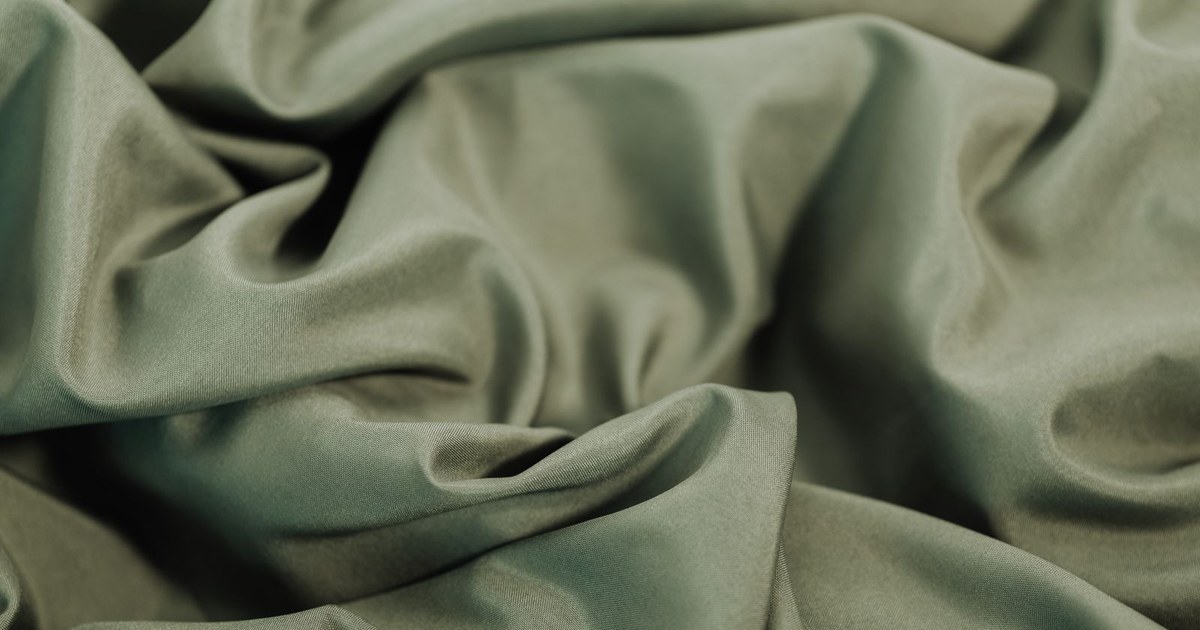
Crepe describes a construction, not a fibre. The characteristic pebbled surface comes from highly twisted yarns, or from a weave or finishing process that produces the same effect, and it can be applied to silk, polyester, viscose or a blend. Two fabrics both correctly called crepe can therefore behave completely differently.
That matters commercially, because a quotation reading crepe uniform saree tells you almost nothing about comfort, durability or price. The useful question is always which crepe, on what fibre, at what weight. Suppliers answer that readily when asked directly.
The surface texture is what buyers are really paying for. A flat woven cloth shows every fold line, while the broken surface of a crepe scatters light and hides the same creasing. Over a ten hour shift, that difference is the gap between a uniform that still looks presentable and one that does not.
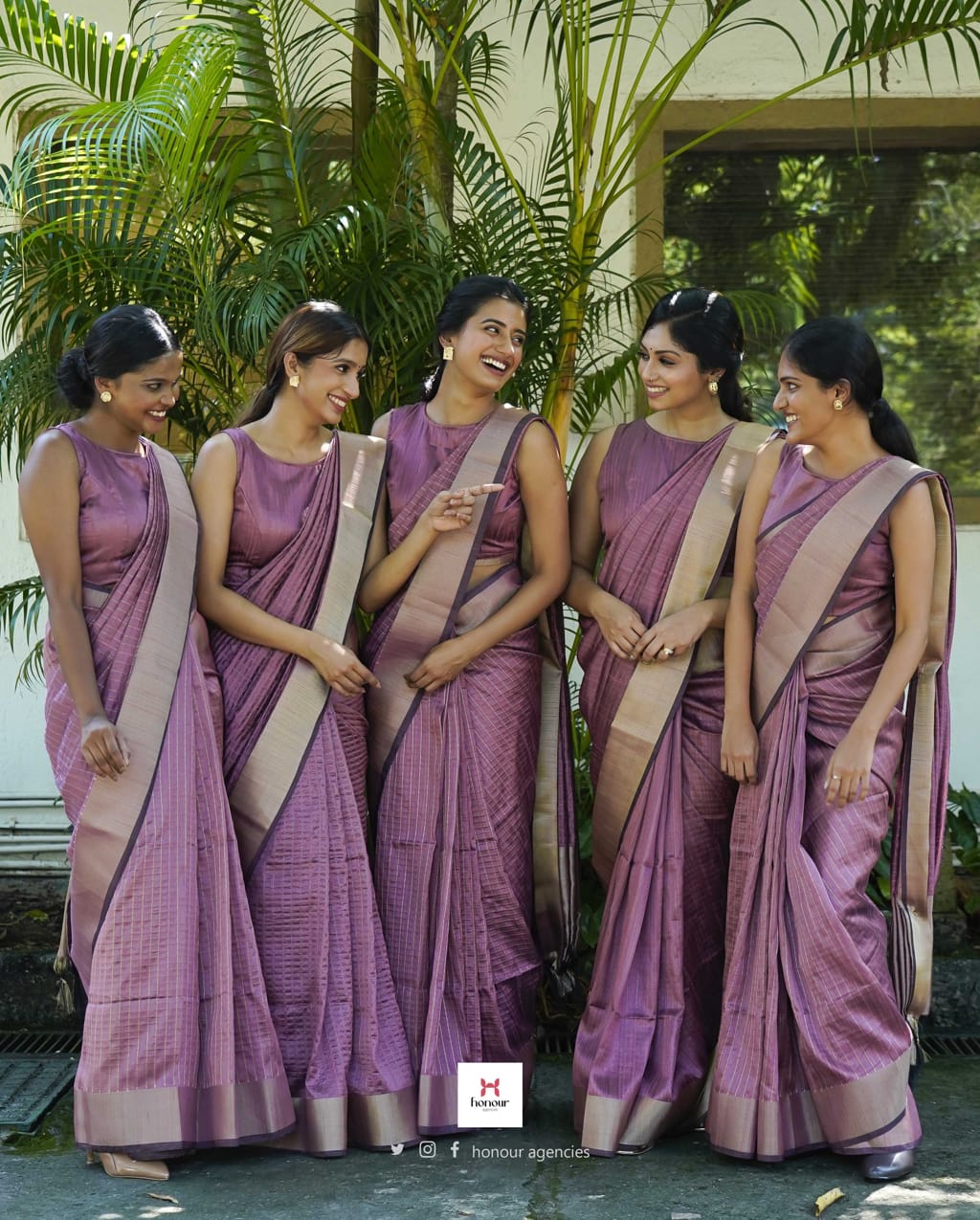
Drape is the second property. Crepe falls in soft, controlled folds rather than standing away from the body, so pleats stay where they are set and the pallu holds its position through movement. For roles where the garment is seen from across a room, that consistency reads as smartness even when the wearer has been working for hours.
Crease recovery is the headline advantage. Cotton creases readily and holds those creases until pressed, which is a genuine problem for staff who sit, drive or travel during a shift. Crepe recovers far better and needs pressing far less often.
Colour depth is the second. The textured surface holds dye in a way that reads as rich rather than flat, and deeper institutional shades in crepe generally look better after a year than the same shades on a plain cotton. That extends the useful life of the uniform before it looks tired.
Maintenance load is lower across a large team. A department in crepe spends less time pressing, and garments returning from laundry need less handling before they are wearable. For institutions running their own laundry, that is a real operational saving rather than a marginal one.
Crepe also photographs well, which matters more than it used to. Staff appear in institutional photography, on websites and across social media, and a fabric that stays smooth under a camera flatters the organisation. Our overview of choosing the right fabric for institutional wear sets out the wider comparison.
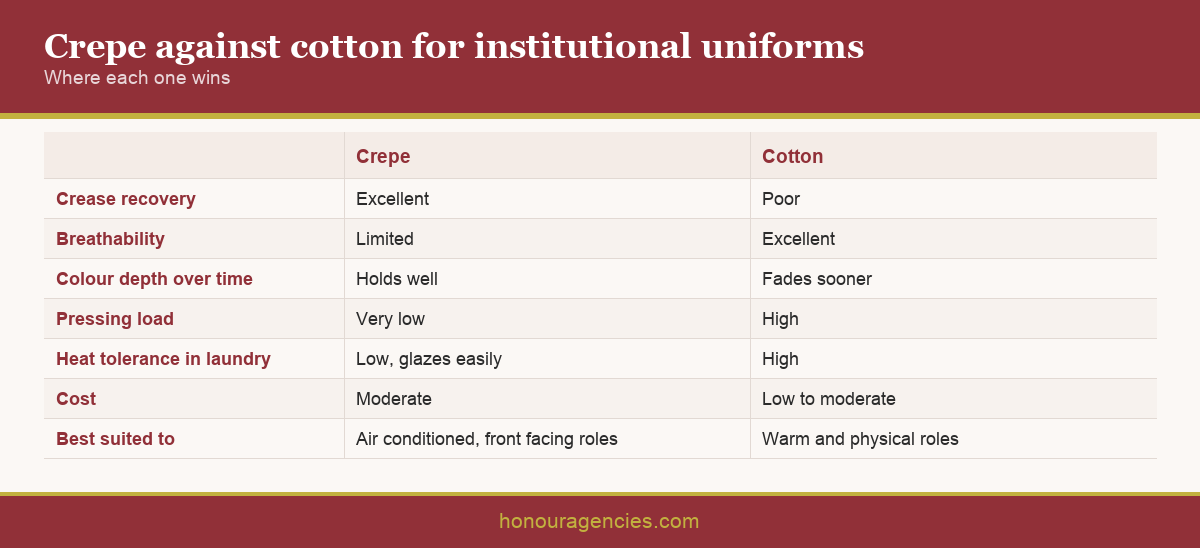
Breathability is the honest limitation. Most institutional crepes are polyester or polyester rich, and polyester does not move moisture the way cotton does. In a warm back of house area or an unconditioned classroom, staff will feel it, and uncomfortable staff modify their uniforms.
Static is the second issue, particularly in dry conditions or heavy air conditioning. A synthetic crepe can cling and shift out of position, which undermines exactly the neat drape the fabric was chosen for. Handle a sample in a cold, dry room before committing to it for a large team.
Heat sensitivity affects laundering. Synthetic crepes should not meet a hot iron or a very hot wash, and an industrial laundry running a standard cotton cycle can glaze or damage the surface permanently. That risk is manageable, but only if the laundry is told.
Finally, crepe rarely suits heavy physical roles. Housekeeping, kitchen and maintenance teams work hard and warm, and they are better served by a cotton or cotton rich cloth even at the cost of more creasing. Split the specification by department rather than buying one fabric for everyone.
Start with the working temperature. Air conditioned front desk, administrative, banking and teaching roles are natural crepe territory. Warm, physical or outdoor roles are not, and forcing crepe onto them produces a compliance problem rather than a smart uniform.
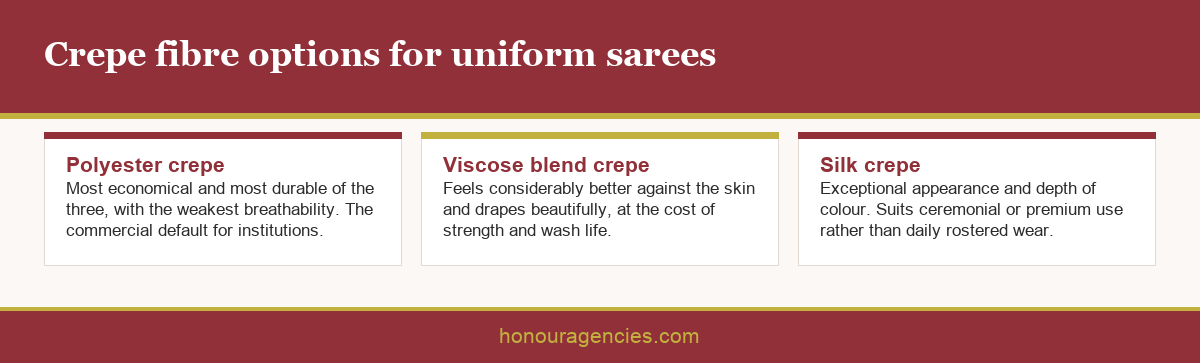
Then choose the fibre. Polyester crepe is the most economical and the most durable, with the weakest breathability. Viscose and viscose blends feel considerably better against the skin and drape beautifully, at some cost to strength and wash life. Silk crepe looks exceptional and suits ceremonial or premium use rather than daily rostered wear.
Weight decides how the garment behaves. A light crepe is comfortable but shows wear at pleat lines sooner. A heavier crepe holds its fall and lasts longer but reads as warm. Handle three weights from the same supplier before deciding, because the difference is obvious in the hand and invisible in a description.
Match the blouse fabric deliberately rather than by default. A crepe saree paired with a stiff cotton blouse reads as two different garments, and the mismatch is obvious in photographs even when nobody can name the cause. Ask the supplier to quote the blouse piece in a compatible cloth at the same time.
Check the finish under working light. Some crepes carry a slight sheen that looks elegant in daylight and becomes conspicuous under bright interior lighting. Institutions usually want a matt or low sheen finish for daily wear, keeping any lustre for ceremonial pieces.
Crepe is widely produced, which is good news for repeat supply. Many suppliers hold standard institutional shades in stock, so partial repeat runs are often possible at short notice. Confirm that before you approve a shade, because a made to order crepe may carry a long lead time and a large minimum.
Control the shade the same way you would any other fabric. Approve a physical swatch cut from the production cloth, sign and date it, keep a copy and require the supplier you buy from to hold the matching piece against your account. Ask for a cutting from each new lot before the full quantity ships.
Wash test before you commit. Send a complete sample through the laundry process the institution actually uses, at the real temperature and detergent strength, then compare it against the unwashed piece for colour, surface and dimension. Synthetic crepe is unforgiving of a wrong wash cycle, and one test prevents a year of complaints.
Buy the whole department from one lot where you can. Crepe takes dye evenly, which is an advantage, but it also means a small difference between lots is not hidden by surface variation the way it can be on a slubby cotton. Starting the department on a single lot gives the cleanest possible baseline for every future comparison.
Publish the care instruction to the laundry as well as to staff. Most crepe failures in service are heat damage rather than wear, and they trace back to a cycle nobody adjusted. Our guidance on caring for and maintaining institutional wear covers the routine worth circulating.
Crepe uniform sarees earn their place in institutions that need staff to look presentable at the end of a long shift rather than at the start of one. Choose them for air conditioned and front facing roles, name the fibre and weight rather than accepting crepe as a description, wash test before committing, and keep a signed shade reference for reorders. Where the work is hot and physical, choose cotton instead and accept the pressing. Honour Agencies has supplied wholesale and institutional sarees from Ernakulam for 35 years. To discuss a requirement, contact our team.
Q: What makes crepe good for uniform sarees? A: The crimped yarn structure creates a broken surface that scatters light and hides creasing. Over a long shift that keeps the garment looking presentable, while a flat weave displays every fold line openly.
Q: Is crepe a fibre or a weave? A: A construction, not a fibre. Crepe can be made in silk, polyester, viscose or a blend, and those behave very differently. Always ask which fibre, at what weight, rather than accepting crepe as a specification.
Q: Is crepe cooler or warmer than cotton? A: Warmer in practice. Most institutional crepes are polyester or polyester rich, and polyester does not move moisture the way cotton does. For hot or physical roles, cotton remains the better choice.
Q: Which roles suit crepe uniform sarees best? A: Air conditioned and front facing roles, including reception, administration, banking, teaching and customer service. Housekeeping, kitchen and maintenance teams are better served by cotton or a cotton rich blend.
Q: Does crepe need pressing? A: Far less than cotton. Crepe recovers from creasing well and often needs no pressing between wears, which reduces the handling load noticeably for institutions running their own laundry.
Q: Can crepe be washed at high temperature? A: Synthetic crepe should not meet a very hot wash or a hot iron, which can glaze or permanently damage the surface. Give the laundry the care specification rather than assuming a standard cotton cycle is safe.
Q: Does crepe build static? A: Synthetic crepe can, particularly in dry conditions or heavy air conditioning, causing the pallu to cling and shift. Handle a sample in a cold, dry room before committing it to a large team.
Q: How does crepe hold colour over time? A: Generally well. The textured surface holds dye in a way that reads rich rather than flat, and deep institutional shades in crepe usually look better after a year than the same shades in plain cotton.
Q: What weight of crepe should institutions choose? A: Handle three weights from one supplier before deciding. Lighter crepe is more comfortable but wears at pleat lines sooner, while heavier crepe lasts and holds its fall but reads as warm.
Q: Can crepe uniform sarees be reordered in small quantities? A: Often, since standard institutional shades are widely stocked. Confirm before approving a shade, because made to order crepe can carry long lead times. Our institutional supply chain guide covers repeat ordering.


Or login with