
Women danim jacket
$249.00

Red formal dress
$129.00

Man winter blazer
$149.00$99.00
Subtotal$477

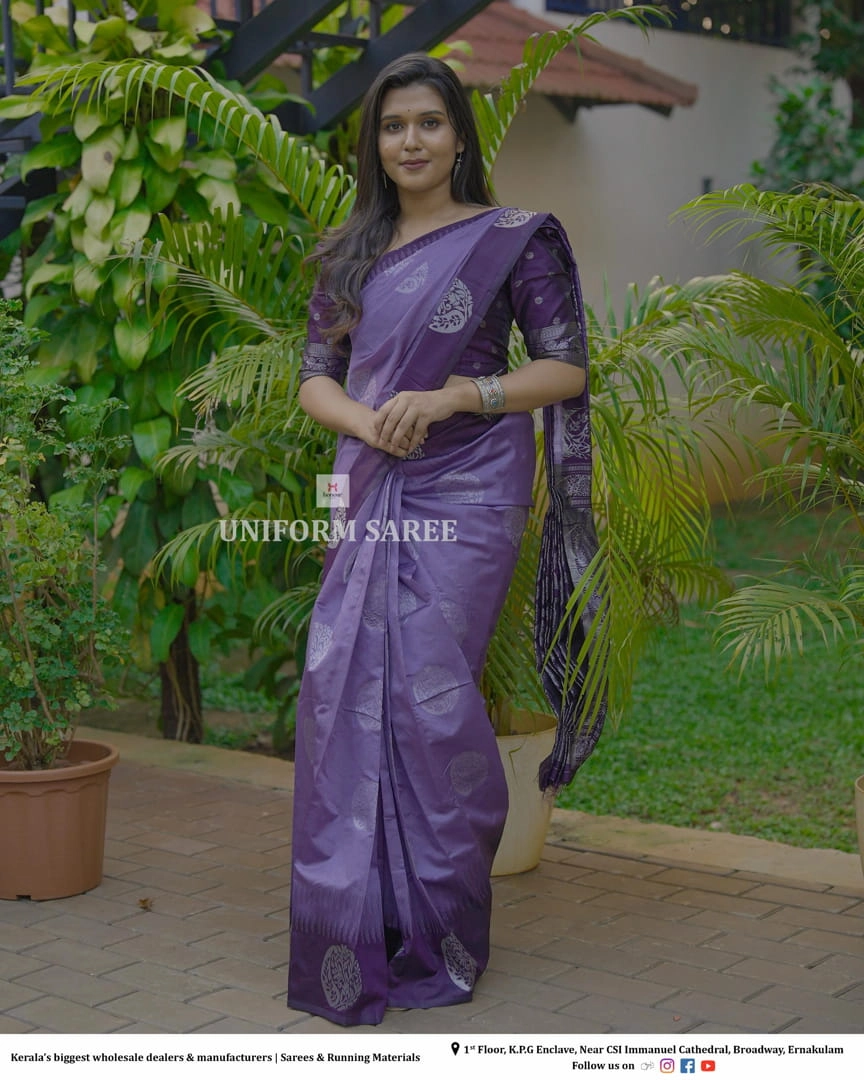
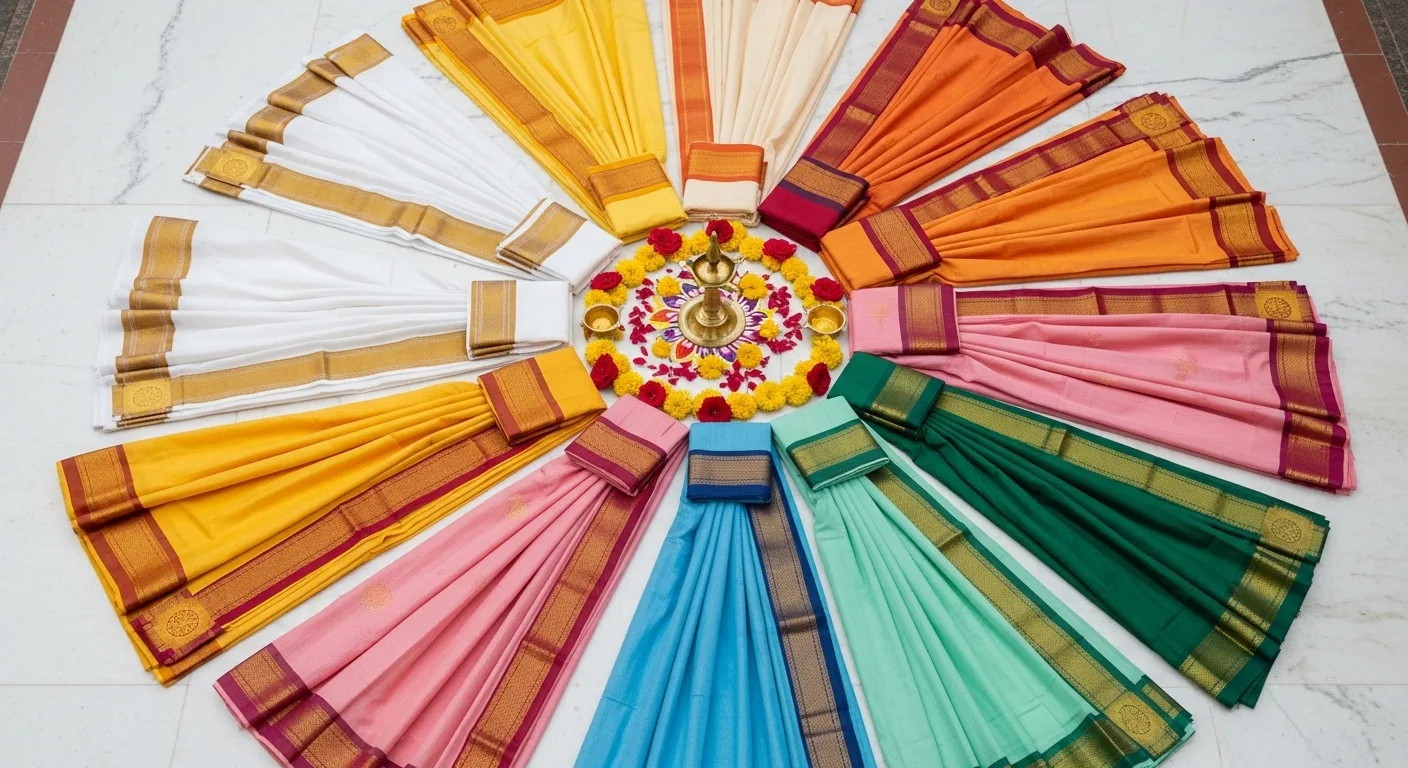 Uniform Sarees
Religious and cultural events bring communities together in joyous celebrations, and the attire worn during these occasions speaks volumes about tradition and unity. Uniform sarees have emerged as the perfect choice for institutions, temples, cultural organizations, and event coordinators who want to create a cohesive, elegant appearance while honoring cultural heritage. Whether it's a temple festival, religious ceremony, or cultural program, wholesale uniform sarees offer the ideal blend of tradition, affordability, and aesthetic appeal that makes every celebration memorable.
Uniform sarees create visual harmony and strengthen cultural identity during religious events and celebrations, making participants feel united in tradition.
Wholesale purchasing of uniform sarees offers significant cost savings for temples, cultural organizations, and event planners managing large gatherings.
Selecting appropriate fabrics, colors, and designs ensures comfort during extended ceremonies while maintaining the dignified appearance expected at religious and cultural events.
Uniform sarees symbolize unity, equality, and shared cultural values during important religious and cultural gatherings. When volunteers, staff members, or participants wear coordinated attire, it creates an atmosphere of togetherness that enhances the spiritual and cultural significance of the event.
Temples, churches, cultural centers, and community organizations across India increasingly recognize the value of uniform sarees for their events. During festivals like Onam, Vishu, Pongal, or Durga Puja, having volunteers and staff in matching sarees creates a professional appearance while maintaining the traditional aesthetic. The psychological impact of coordinated dress cannot be understated—it fosters a sense of belonging among participants and demonstrates organizational professionalism to attendees. Moreover, uniform sarees eliminate social hierarchies based on clothing choices, allowing everyone to focus on the spiritual or cultural purpose of the gathering. For event coordinators, choosing the perfect design for uniform sarees ensures that the attire aligns with the event's theme and cultural significance.
The fabric choice for uniform sarees directly impacts comfort, appearance, and durability during extended religious and cultural events. Participants often wear these sarees for several hours during ceremonies, processions, or cultural performances, making fabric selection crucial.
Cotton remains the most popular choice for religious events due to its breathability, comfort in warm weather, and cultural appropriateness. Pure cotton uniform sarees are ideal for temple volunteers, cultural program participants, and staff members who need to remain comfortable during lengthy ceremonies. For more formal occasions or evening events, silk-cotton blends offer an elegant sheen while maintaining comfort. Organizations should consider the season and event duration when selecting fabrics. Summer festivals require lightweight, breathable materials, while winter celebrations allow for slightly heavier fabrics with better drape. The fabric should also align with the religious or cultural context—for instance, handloom cotton for traditional festivals or tissue fabrics for grand celebrations. Additionally, considering how these fabrics complement function wear uniform sarees ensures versatility across different types of events.
Key fabric considerations include:
Pure cotton for breathability and traditional appeal
Cotton-silk blends for enhanced elegance and durability
Handloom varieties for authentic cultural representation
Easy-care fabrics that withstand frequent washing for regular events
Colors in religious and cultural contexts carry deep symbolic meanings, making thoughtful color selection essential for uniform sarees. Different communities and religions associate specific colors with particular festivals, deities, and ceremonial occasions.
White uniform sarees symbolize purity and peace, making them appropriate for prayer services, meditation sessions, and certain religious ceremonies across various faiths. Many temples prefer white for volunteers assisting during daily rituals or special poojas. Yellow and saffron colors represent auspiciousness and spirituality in Hindu traditions, often chosen for festival celebrations and temple events. Red signifies prosperity and celebration, making it popular for weddings, Diwali celebrations, and harvest festivals. Green represents growth and harmony, suitable for nature-related festivals and Islamic celebrations. Understanding these cultural associations helps organizations choose colors that resonate with the event's purpose and attendees' expectations. For multi-day festivals, some organizations opt for different colored uniform sarees for each day, creating visual variety while maintaining coordination. When planning occasional uniform sarees for special events, the color palette should reflect both the celebration's theme and traditional color symbolism.
Popular color choices for different events:
White: Prayer meetings, meditation programs, peace ceremonies
Yellow/Saffron: Harvest festivals, temple events, auspicious occasions
Red/Maroon: Wedding ceremonies, Diwali, prosperity celebrations
Green: Environmental events, spring festivals, Islamic occasions
Blue: Krishna-related festivals, cultural performances, coastal community events
Purchasing uniform sarees wholesale provides significant financial advantages and logistical convenience for organizations hosting regular cultural and religious events. Bulk ordering reduces per-unit costs substantially, allowing budget-conscious institutions to outfit large groups affordably.
Cultural organizations, temples, and event management companies typically need anywhere from 20 to 200 uniform sarees for their programs. Wholesale suppliers offer tiered pricing that makes bulk purchases economical—the more sarees ordered, the lower the per-piece cost. Beyond pricing, wholesale partnerships provide consistency in fabric quality, color matching, and availability for repeat orders. Organizations can build long-term relationships with reliable suppliers, ensuring they can replenish or expand their uniform collection as needed. Wholesale ordering also allows for customization options like adding organizational emblems, border designs, or specific pleating styles. For institutions planning annual festivals or monthly cultural programs, maintaining a ready inventory of uniform sarees eliminates last-minute sourcing stress. According to industry reports, bulk purchasing can reduce costs by 30-50% compared to retail prices, making it financially prudent for regular event hosts.
The design details of uniform sarees should reflect the cultural heritage and regional traditions associated with the event. From border styles to pallu designs, every element contributes to the overall cultural authenticity and visual impact.
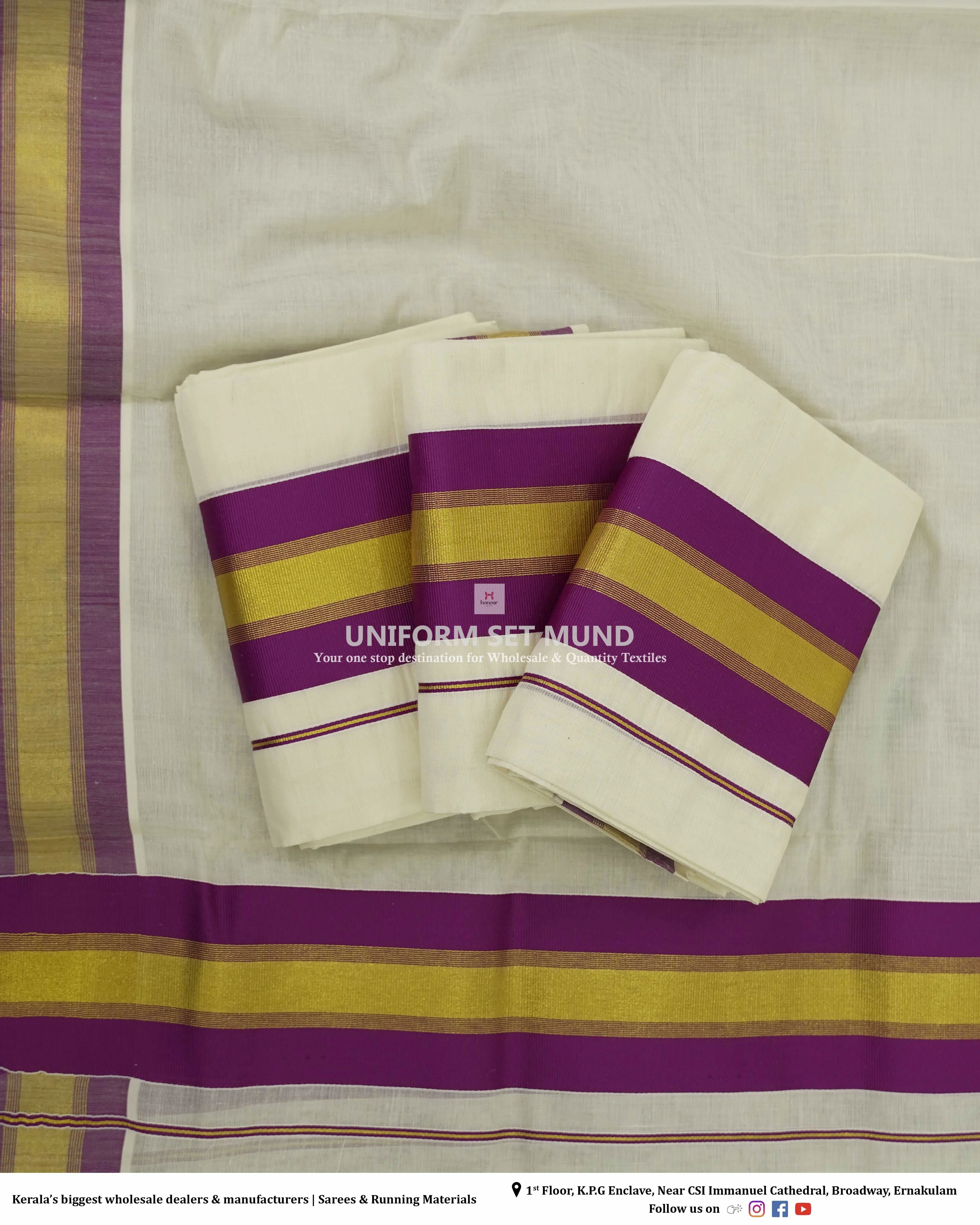
Kerala cultural events benefit from uniform sarees featuring kasavu borders—the traditional golden border that characterizes Kerala's textile heritage. These borders can range from simple single lines to elaborate designs with temple motifs or peacock patterns. For Onam celebrations, organizations often choose uniform sarees with traditional Kerala designs that participants can wear with pride. Tamil cultural events might incorporate kanjivaram-inspired borders or temple jewelry motifs in the design. Bengali cultural programs often feature broad red borders reminiscent of traditional Bengali tant sarees. The pallu design also matters—some events require simple, understated pallus that allow for easy movement during rituals, while cultural performances might feature more decorative pallus that add visual drama. When selecting designs, consider both aesthetic appeal and practical functionality for the specific activities participants will engage in during the event. Organizations looking to enhance their cultural presentation should explore buying Kerala sarees for festive seasons to understand how traditional elements can be incorporated into modern uniform designs.
Uniform sarees serve as more than just attire for religious and cultural events—they represent shared values, cultural pride, and organizational unity. By carefully selecting fabrics, colors, and designs that align with the event's purpose and cultural context, organizations create memorable experiences that honor tradition while ensuring participant comfort. Wholesale purchasing makes these benefits accessible to institutions of all sizes, from small community temples to large cultural organizations. As celebrations continue to bring communities together, thoughtfully chosen uniform sarees will remain an integral part of preserving and celebrating our rich cultural heritage. Whether you're planning a temple festival, cultural program, or community celebration, investing in quality uniform sarees demonstrates respect for tradition and commitment to excellence in every aspect of your event.

Cotton and cotton-silk blends are ideal for religious events as they offer breathability, comfort during extended wear, and cultural appropriateness. Pure cotton works best for daytime temple activities, while cotton-silk blends provide elegant appearance for evening ceremonies without compromising comfort.
Organizations should order 10-15% more uniform sarees than the expected number of participants to account for size variations and last-minute additions. For a 50-person event, ordering 55-60 sarees ensures everyone is properly outfitted while maintaining backup inventory for future events.
Yes, wholesale uniform sarees can be customized with organizational emblems, temple motifs, or cultural symbols through embroidery or printing. Many wholesale suppliers offer customization services for bulk orders, allowing institutions to add their unique identity while maintaining traditional aesthetics.
White, yellow, saffron, and red are traditional colors for Hindu temple volunteers, each carrying spiritual significance. White represents purity for daily rituals, yellow symbolizes auspiciousness for festivals, while red suits celebration ceremonies. The choice depends on the specific event and deity worship.
Proper storage in breathable cotton bags, regular airing to prevent moisture buildup, and gentle washing with mild detergents preserve uniform sarees. Organizations should label sarees by size, maintain an inventory log, and inspect for damage after each use to ensure longevity and readiness for future celebrations.
Absolutely. Neutral colors like white, cream, or pastels work well for multi-faith events, respecting diverse religious sensibilities while maintaining uniformity. Choosing versatile fabrics and simple designs ensures appropriateness across different faith traditions represented at community celebrations.
Wholesale uniform sarees typically cost 30-50% less than retail prices when ordering in quantities of 20 or more. Bulk orders of 50-100 pieces offer even greater savings, with per-unit costs decreasing significantly while maintaining quality standards suitable for institutional use.
Organizations should place wholesale orders 4-6 weeks before major festivals to allow for manufacturing, quality checks, and any necessary alterations. For customized sarees with embroidery or special designs, ordering 8-10 weeks in advance ensures timely delivery and proper preparation for the celebration.
Yes, selecting versatile designs in neutral colors allows organizations to use uniform sarees across various events. Simple, elegant designs with traditional elements work for religious ceremonies, cultural performances, and community gatherings, maximizing the value of the investment.
Standard wholesale orders should include sizes ranging from petite to plus-size options, typically covering saree lengths from 5.5 to 6.5 meters and blouse sizes from 34 to 44. Offering inclusive sizing ensures all volunteers and participants can wear uniform sarees comfortably during religious and cultural events.
Or login with