
Women danim jacket
$249.00

Red formal dress
$129.00

Man winter blazer
$149.00$99.00
Subtotal$477

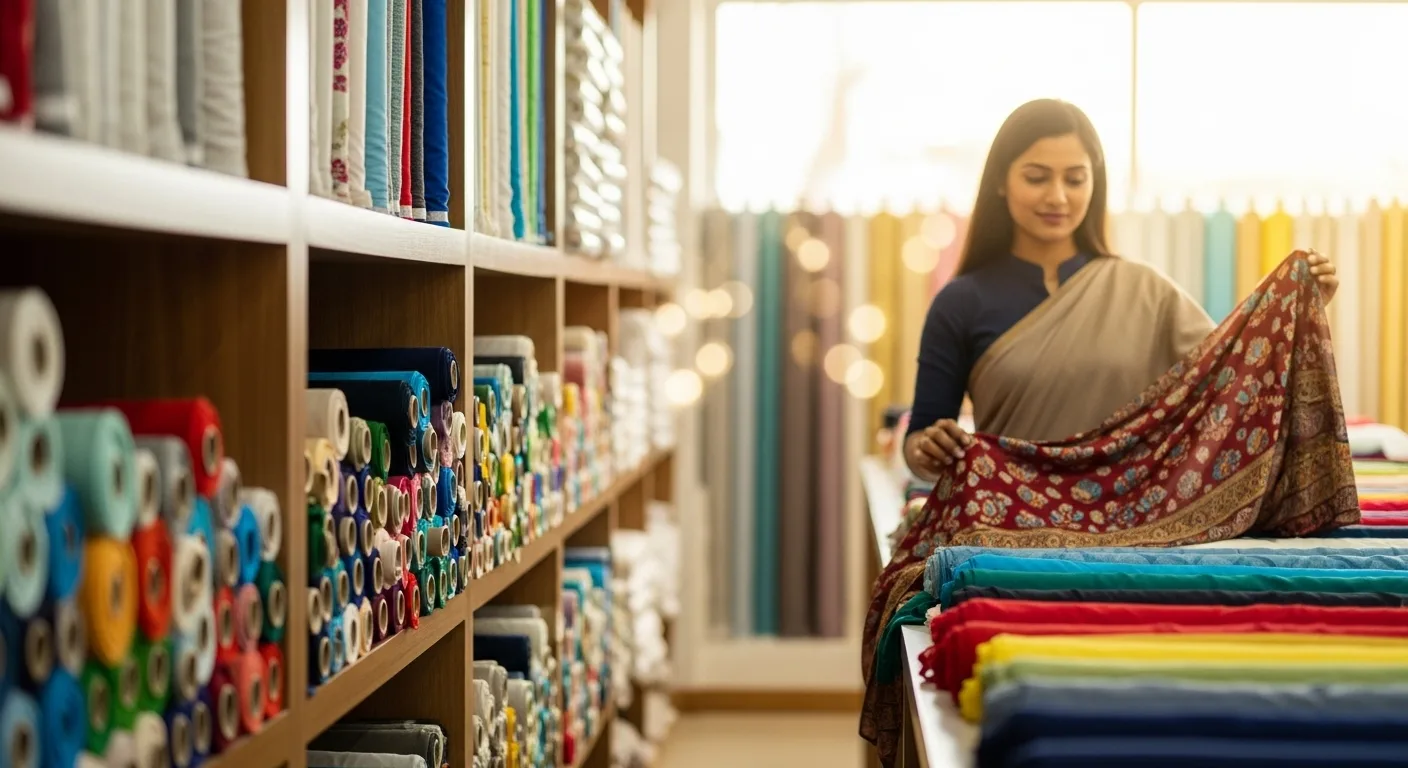 Running Material
Wholesale running material has become the backbone of successful retail businesses in the textile industry. For retail shoppers and boutique owners, sourcing quality wholesale materials at competitive prices can make the difference between thriving and merely surviving in today's competitive market. Whether you're starting a new retail venture or looking to expand your existing inventory, understanding which wholesale materials drive profitability is essential. This comprehensive guide explores the essential wholesale materials every retailer needs, practical sourcing strategies, and proven tips to maximize your investment while meeting customer demands.
Quality wholesale running material forms the foundation of profitable retail textile businesses, offering versatility and strong customer demand across various applications.
Strategic sourcing from reliable wholesale suppliers reduces costs by 30-40% while ensuring consistent quality and timely delivery for retail shoppers.
Diversified inventory combining traditional fabrics with trending materials positions retail businesses to capture multiple market segments and increase revenue streams.
Wholesale running material refers to fabric sold by the meter or yard, allowing customers to purchase exactly what they need for their projects. This category encompasses cotton, silk, georgette, and blended fabrics that serve diverse purposes from saree making to dress construction. For retail businesses, stocking wholesale running materials creates multiple revenue opportunities since these fabrics appeal to home sewers, boutique designers, and garment manufacturers alike.
The versatility of running materials makes them indispensable for retail inventory. According to textile industry reports, running fabrics account for nearly 45% of wholesale textile sales in India, with demand increasing by 12% annually. Retailers who maintain a well-curated selection of running materials typically experience higher customer retention rates because they become one-stop destinations for various fabric needs. The profit margins on wholesale materials often range between 35-50%, making them financially attractive for retail businesses of all sizes.
Building a comprehensive wholesale materials inventory requires understanding the fundamental categories that drive consistent sales. Cotton-based running materials remain the bestselling category due to their affordability, comfort, and year-round demand. Premium categories include silk running fabrics, georgette materials for elegant draping, and specialty items like kasavu or brocade that cater to cultural and festive occasions.
Beyond basic fabrics, successful retailers stock blouse materials in various compositions to complement saree sales. This strategy increases average transaction values significantly. Professional retailers also maintain uniform fabric collections for institutional clients such as schools, hospitals, and corporate offices. Industry data shows that retailers offering 15-20 distinct fabric categories generate 60% more revenue than those focusing on narrow selections. Choosing the right running fabric material involves balancing customer preferences with market trends and seasonal demands.
The foundation of retail success lies in partnering with dependable wholesale suppliers who consistently deliver quality products. When evaluating potential suppliers, examine their industry experience, which often correlates with reliability and product knowledge. Suppliers with 20+ years in the textile wholesale business typically have established quality control systems and stable supply chains that minimize disruptions for retail shoppers.
Request fabric samples before committing to bulk orders, paying attention to color consistency, texture quality, and weave integrity. Legitimate wholesale suppliers willingly provide samples because they're confident in their product quality. Check supplier credentials including business registrations, GST compliance, and customer references. According to textile trade associations, retailers who thoroughly vet suppliers experience 75% fewer quality-related returns and complaints.
Establishing lasting relationships with wholesale suppliers creates competitive advantages for your retail business. Long-term partnerships often unlock better pricing structures, priority access to new collections, and flexible payment terms that improve cash flow management. Regular communication with your wholesale partner about upcoming trends and customer feedback helps both businesses grow together.
Consider consolidating your wholesale purchasing with 2-3 primary suppliers rather than spreading orders across many vendors. This approach typically secures volume discounts of 15-25% and streamlines inventory management. Bulk saree suppliers who value long-term relationships often provide exclusive designs or first access to seasonal collections, giving your retail business a competitive edge in the marketplace.
Determining the right inventory levels for wholesale materials balances customer satisfaction with capital efficiency. Industry benchmarks suggest maintaining 60-90 days of inventory for fast-moving items like cotton running materials, while specialty fabrics can operate on 30-45 day cycles. Analyze your sales data quarterly to identify patterns and adjust procurement accordingly.
Implement the 80/20 rule where 80% of revenue typically comes from 20% of your product range. Stock these high-performers generously while maintaining smaller quantities of experimental or seasonal items. Retailers using data-driven inventory management report 40% less dead stock and 25% higher inventory turnover rates. Consider implementing inventory management software to track sales velocity, reorder points, and seasonal fluctuations accurately.
Establishing rigorous quality standards protects your retail reputation and minimizes costly returns. When receiving wholesale materials, inspect each roll for defects including color variations, weaving flaws, or measurement discrepancies. According to textile retail associations, implementing systematic quality checks reduces customer complaints by up to 85%.
Create a standardized inspection checklist covering fabric weight, color fastness, shrinkage properties, and finish quality. Identifying quality in wholesale materials requires both visual assessment and practical testing. Train your staff on quality standards so everyone maintains consistency. Document any quality issues immediately and communicate with suppliers to resolve problems before they impact customers.
Strategic wholesale purchasing aligns with seasonal demand cycles and emerging fashion trends. Begin planning for major festivals like Onam, Vishu, or Diwali at least 4-6 months in advance to secure the best wholesale materials at optimal prices. Seasonal items often sell at 40-60% higher margins during peak periods compared to off-season sales.
Stay informed about textile trends through trade publications, fashion shows, and customer feedback. According to retail market research, businesses that proactively stock trending materials capture 30% more market share during peak seasons. Balance trend-forward items with classic, evergreen materials that provide steady baseline sales throughout the year.
Developing effective pricing strategies requires understanding both your costs and market positioning. Calculate all-in costs including wholesale price, transportation, storage, and operational overhead before setting retail prices. Most successful textile retailers maintain 40-55% gross margins on running materials, adjusting based on competition and exclusivity.
Consider tiered pricing strategies where premium or exclusive fabrics command higher margins while volume items operate on competitive pricing. Bundle pricing works exceptionally well for wholesale materials, encouraging customers to purchase complementary items like matching blouse fabrics with saree materials. Premium running fabrics wholesale for boutiques often support higher price points when positioned correctly with value-added services like styling consultation.
Physical presentation significantly impacts wholesale material sales in retail environments. Organize fabrics by color families or occasions to help customers visualize applications easily. Create inspiration boards showing completed garments or styling ideas using your available materials. Retail studies indicate that well-merchandised displays increase conversion rates by 35-50%.
Implement proper lighting to showcase fabric textures and colors accurately. Allow customers to touch and feel materials, as tactile experience drives purchasing decisions for textile products. Consider seasonal window displays featuring your newest wholesale arrivals to attract foot traffic. Maintain fabric sample books for customers to take home, extending your sales opportunity beyond store hours.
Expanding your reach through digital channels opens new revenue streams for retail businesses. Establish a strong online presence with high-quality product photography showing fabric drape, texture, and color accuracy. According to e-commerce research, textile businesses with professional product images generate 65% more online inquiries than those with amateur photography.
Leverage social media platforms to showcase new arrivals, share styling ideas, and educate customers about fabric properties. Video content demonstrating fabric quality and versatility performs particularly well, often generating 3-4 times more engagement than static images. Build an email list to announce new collections and special wholesale pricing for regular customers, creating recurring revenue opportunities.
Positioning your retail business as a knowledgeable resource differentiates you from competitors who simply stock products. Train staff to understand fabric properties, care instructions, and suitable applications so they can guide customer selections confidently. Retailers offering expert consultation typically achieve 25-30% higher average transaction values.
Create printed guides or digital resources explaining different fabric types, washing instructions, and project ideas. Host occasional workshops teaching basic garment construction or saree draping to engage customers and build community. Customers who receive educational value alongside products become loyal advocates, generating referrals that cost nothing but deliver sustained growth.
Actively seeking and responding to customer feedback demonstrates commitment to satisfaction and continuous improvement. Install simple feedback mechanisms in-store and online to capture customer opinions about product selection, quality, and service. According to customer experience research, businesses that act on feedback see 40% higher customer retention rates.
Analyze feedback patterns to identify inventory gaps or service improvements. If multiple customers request specific fabric types not currently stocked, investigate wholesale sourcing options for those items. Share customer success stories and testimonials through your marketing channels, building social proof that attracts new retail shoppers while reinforcing existing customer relationships.
Building a thriving retail business with wholesale running material and essential fabrics requires strategic sourcing, smart inventory management, and customer-focused service. By partnering with reliable wholesale suppliers, maintaining diverse yet focused inventory, and providing expert guidance, retail businesses position themselves for sustained profitability and growth. The textile industry's consistent demand combined with proper wholesale materials selection creates opportunities for retailers to serve their communities while building successful enterprises. Remember that success in wholesale materials retailing comes from balancing quality, pricing, and customer service while staying adaptable to market trends. Start implementing these strategies today to transform your retail business and capture greater market share in the wholesale materials sector.
What is wholesale running material?

Wholesale running material refers to fabric sold by the meter or yard in bulk quantities at discounted prices. These materials include cotton, silk, georgette, and blended fabrics used for saree making, dress construction, and various garment applications by retailers and boutiques.
Retail shoppers buying wholesale materials save 30-40% compared to retail fabric prices. Bulk purchasing provides better variety, consistent supply, and higher profit margins. This approach allows small business owners to compete effectively while offering customers competitive pricing on quality textiles.
Begin by researching reputable wholesale suppliers with established track records. Request fabric samples to assess quality, compare pricing structures, and verify credentials. Start with smaller orders to test supplier reliability before committing to larger purchases. Consider exploring running material wholesale options for diverse inventory.
What types of wholesale running material are most profitable for retailers?
Cotton running fabrics generate the highest turnover due to year-round demand and affordability. Premium categories like silk, georgette, and kasavu materials offer higher profit margins during festive seasons. Blouse fabrics and uniform materials provide steady institutional sales with consistent revenue streams.
How much can retail businesses save by purchasing wholesale materials?
Retail businesses typically save 30-50% on procurement costs when buying wholesale materials compared to retail channels. Volume discounts, reduced per-unit pricing, and direct supplier relationships eliminate middleman markups. These savings translate to either higher profit margins or competitive customer pricing advantages.
What should I look for when selecting wholesale material suppliers?
Evaluate suppliers based on industry experience, product quality consistency, and delivery reliability. Check business credentials, GST compliance, and customer references. Request fabric samples before bulk orders. Established suppliers with 20+ years experience typically offer better quality control and reliable wholesale partnerships for long-term success.
How should I price wholesale materials in my retail store?
Calculate all-in costs including wholesale price, transportation, storage, and overhead before setting retail prices. Most successful retailers maintain 40-55% gross margins on running materials. Consider tiered pricing strategies where premium fabrics command higher margins while volume items remain competitively priced.
Small retail shops thrive with wholesale materials by offering personalized service, curated selections, and expert guidance that large retailers cannot match. Strategic sourcing, niche specialization, and building customer relationships create competitive advantages. Quality wholesale materials level the playing field against bigger competitors.
Which wholesale materials have the most consistent year-round demand?
Cotton running fabrics, basic blouse materials, and uniform fabrics maintain steady demand throughout the year regardless of seasons. These staple items provide reliable baseline revenue for retail shoppers. Complement these with seasonal specialty items like festive silks to maximize profitability across all quarters.
How do I manage wholesale material inventory without overstocking?
Maintain 60-90 days of inventory for fast-moving items and 30-45 days for specialty fabrics. Implement the 80/20 rule where core products receive priority stocking. Use sales data to identify patterns and adjust procurement quarterly, preventing dead stock while ensuring adequate supply levels.


Or login with